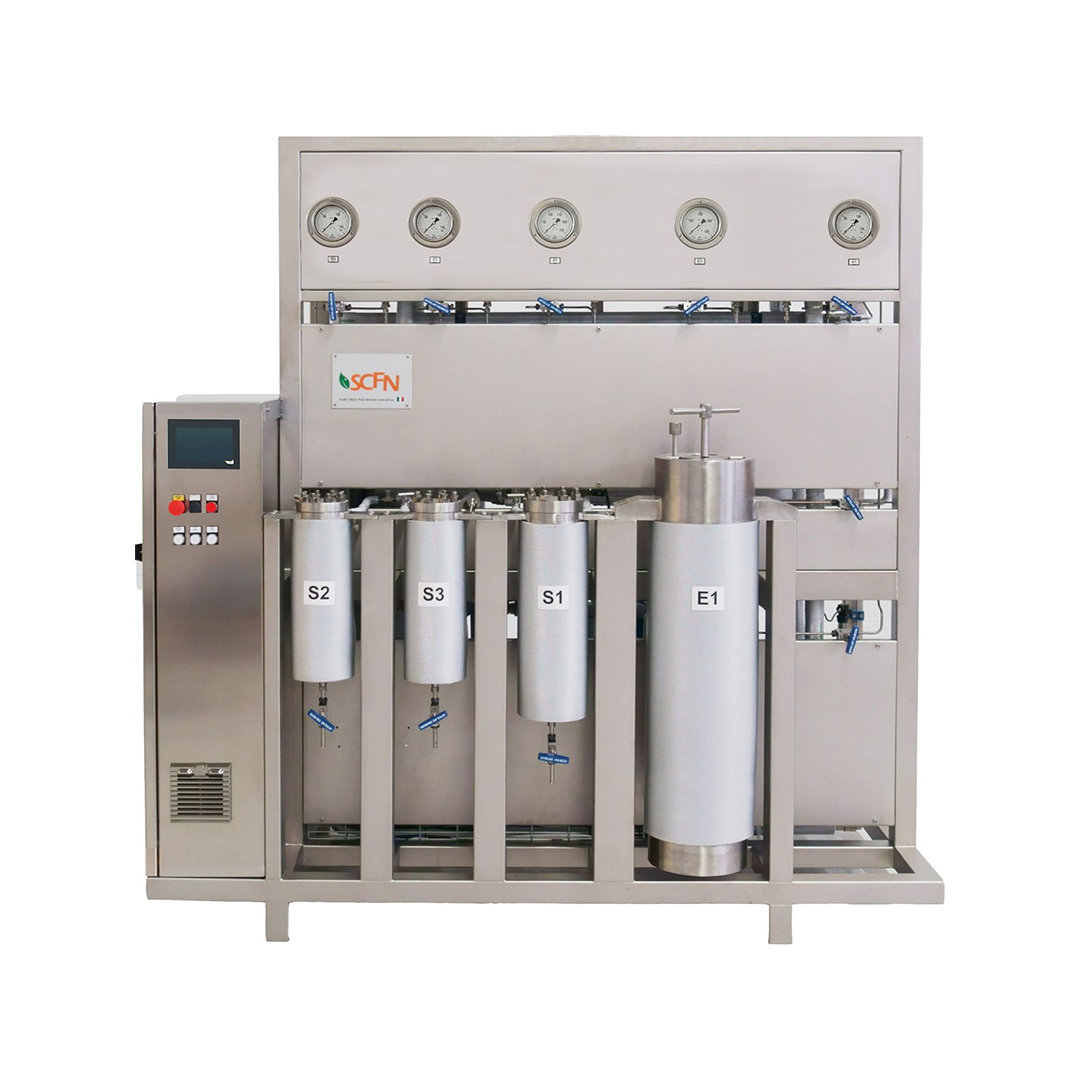
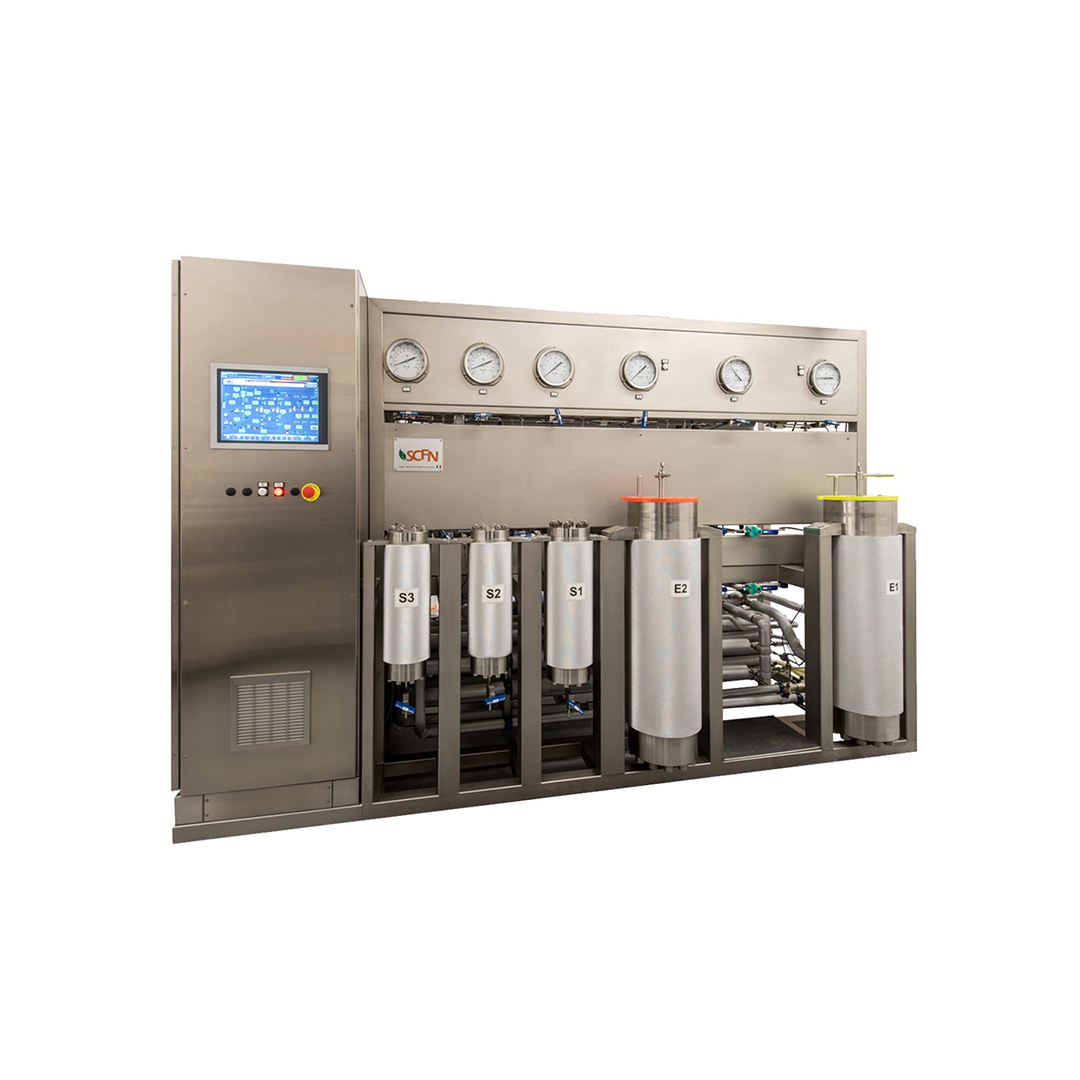
Equipamento de extração supercrítica de CO2
Filtrar produtos por família
Veja todos os sistemas ou filtre produtos por família
Sistemas laboratoriais de extração supercrítica de CO2
As máquinas de laboratório são projetadas para testar novos lotes de material ou novas condições de extração de matriz, para uso em sistemas de extração maiores. O mesmo software que todos os outros sistemas de extração. Extrator de 1,7 a 12 litros.
1.7 L Supercritical CO2 Extractor
Wide 1.9 m (6.2'),
Height 1.9 m (6.2'),
Deep 1 m (3.2').
2.7 L Supercritical CO2 Extractor
Wide 1.9 m (6.2'),
Height 1.9 m (6.2'),
Deep 1 m (3.2').
7 L Supercritical CO2 Extractor
Wide 2.2 m (7.2'),
Height 1.9 m (6.2'),
Deep 1 m (3.2').
12 L Supercritical CO2 Extractor
Wide 3 m (9.8'),
Height 2.1 m (6.8'),
Deep 1.2 m (3.9').
Equipamento de produção de extração de CO2 supercrítico
Os sistemas de produção são projetados para volumes médios de matéria-prima. Eles são compactos e fáceis de usar. As suas dimensões foram concebidas para se adaptarem a qualquer tipo de sala de extracção, incluindo ISO8 ou ISO7. Extrator de 7 a 73 litros.
Dual 7 L Supercritical CO2 Extractor
Wide 2.9 m (9.5'),
Height 1.9 m (6.2'),
Deep 1.5 m (4.9').
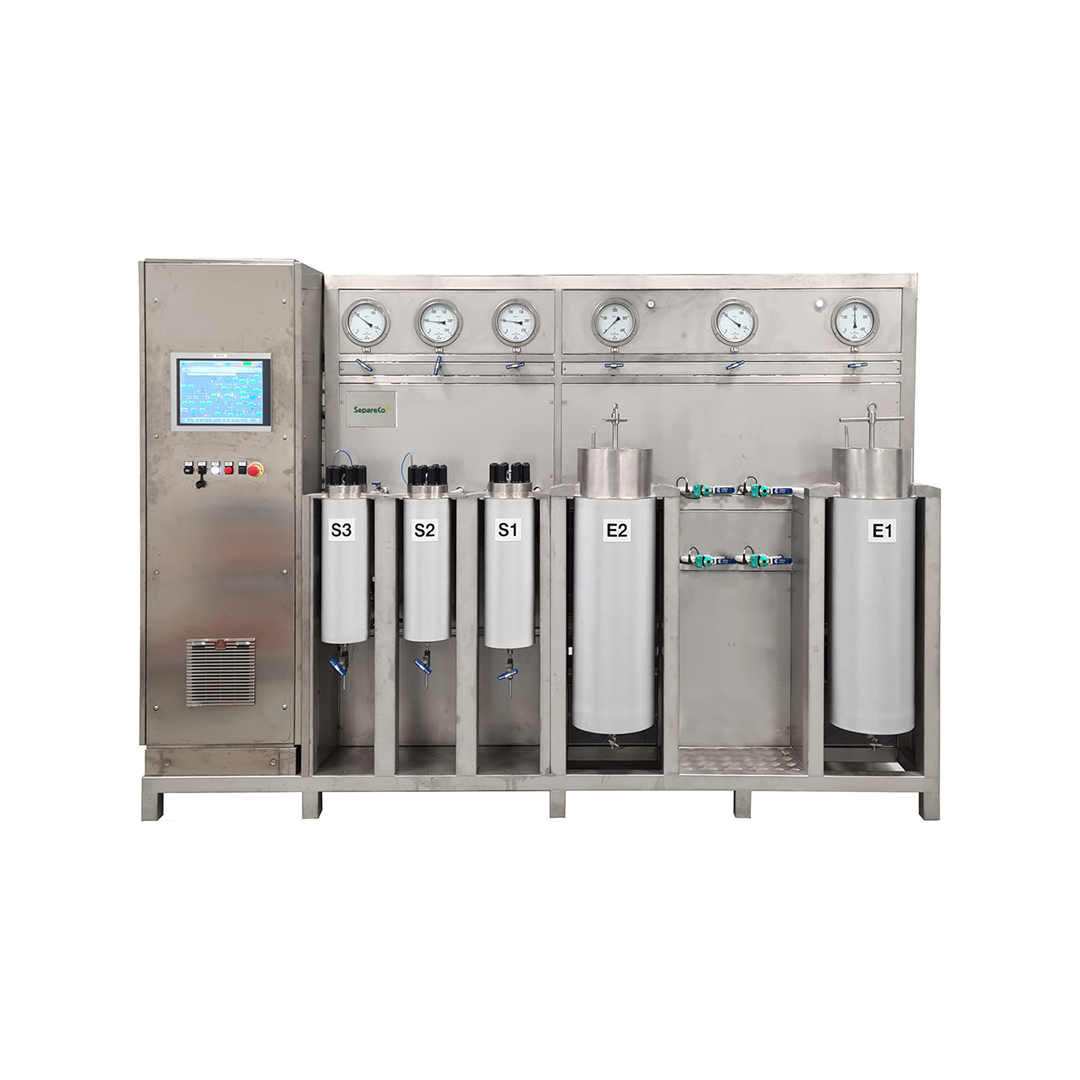
Dual 12 L Supercritical CO2 Extractor
Wide 3 m (9.8'),
Height 1.9 m (6.2'),
Deep 1.6 m (5.2').
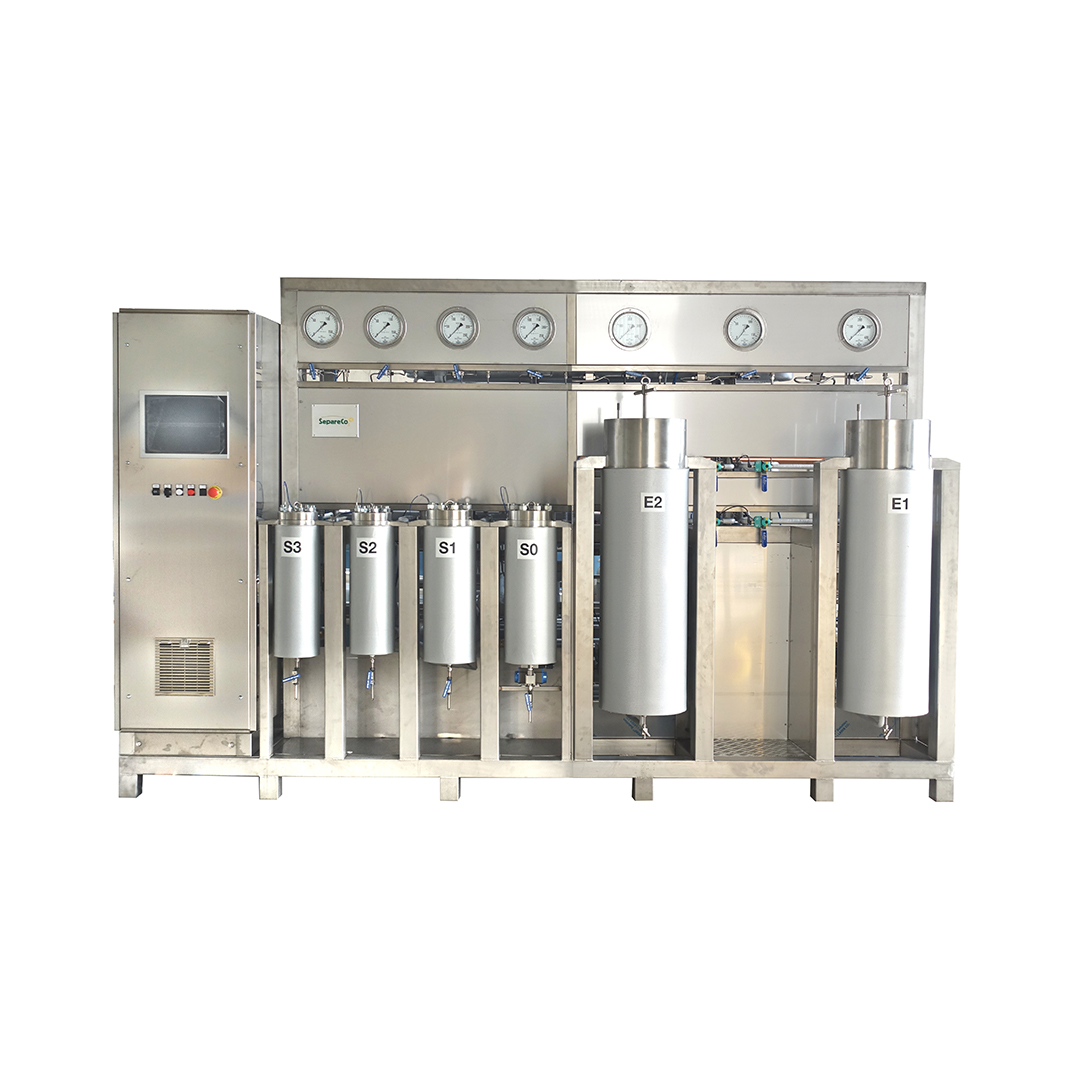
Dual 24 L Supercritical CO2 Extractor
Wide 3.2 m (10.4'),
Height 2.2 m (7.2'),
Deep 1.8 m (6').
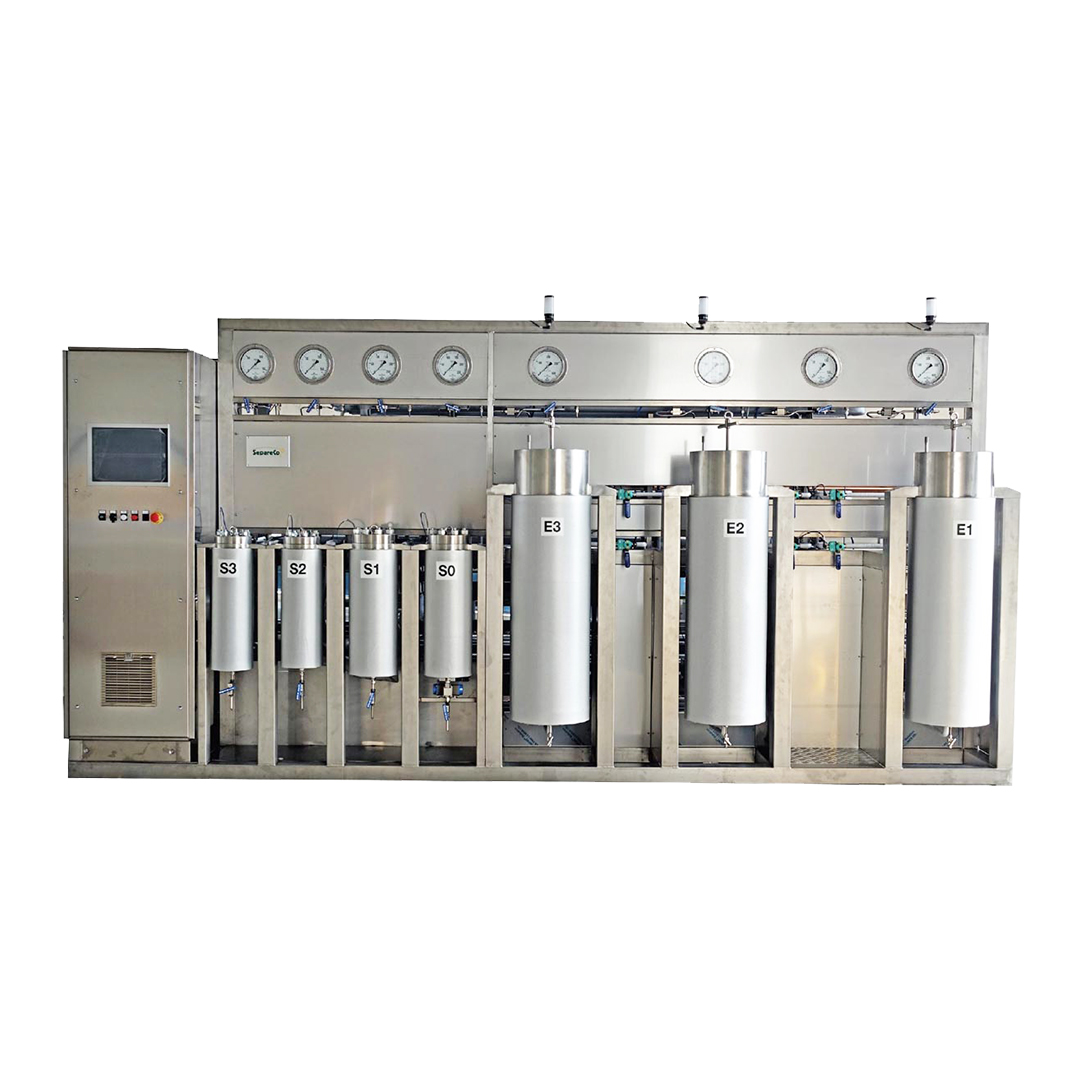
Triple 24 L Supercritical CO2 Extractor
Wide 3.9 m (12.7'),
Height 2.2 m (7.2'),
Deep 1.8 m (6').
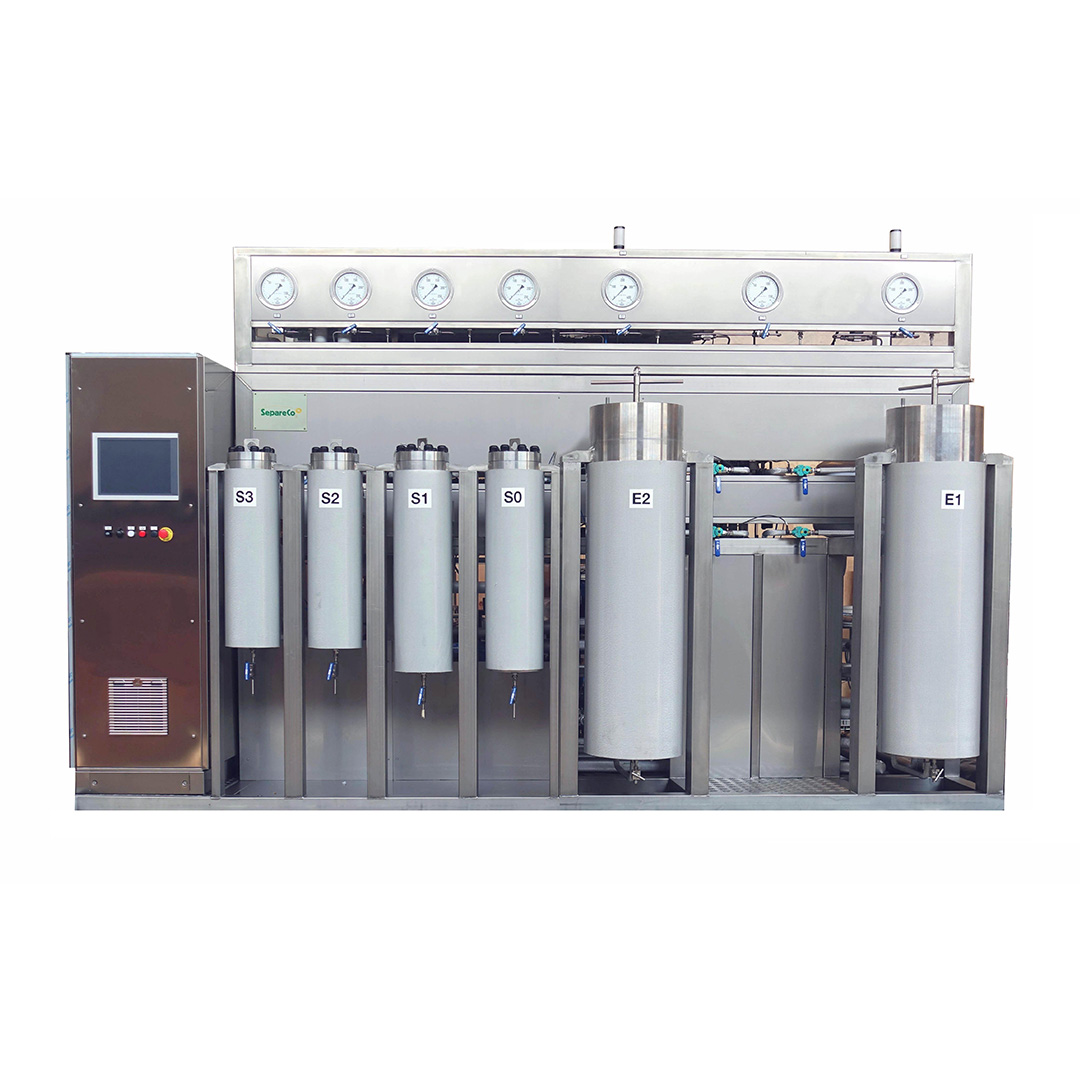
Dual 51 L Supercritical CO2 Extractor
Wide 3.9 m (12.8'),
Height 2.55 m (8.4'),
Deep 2.4 m (7.9').
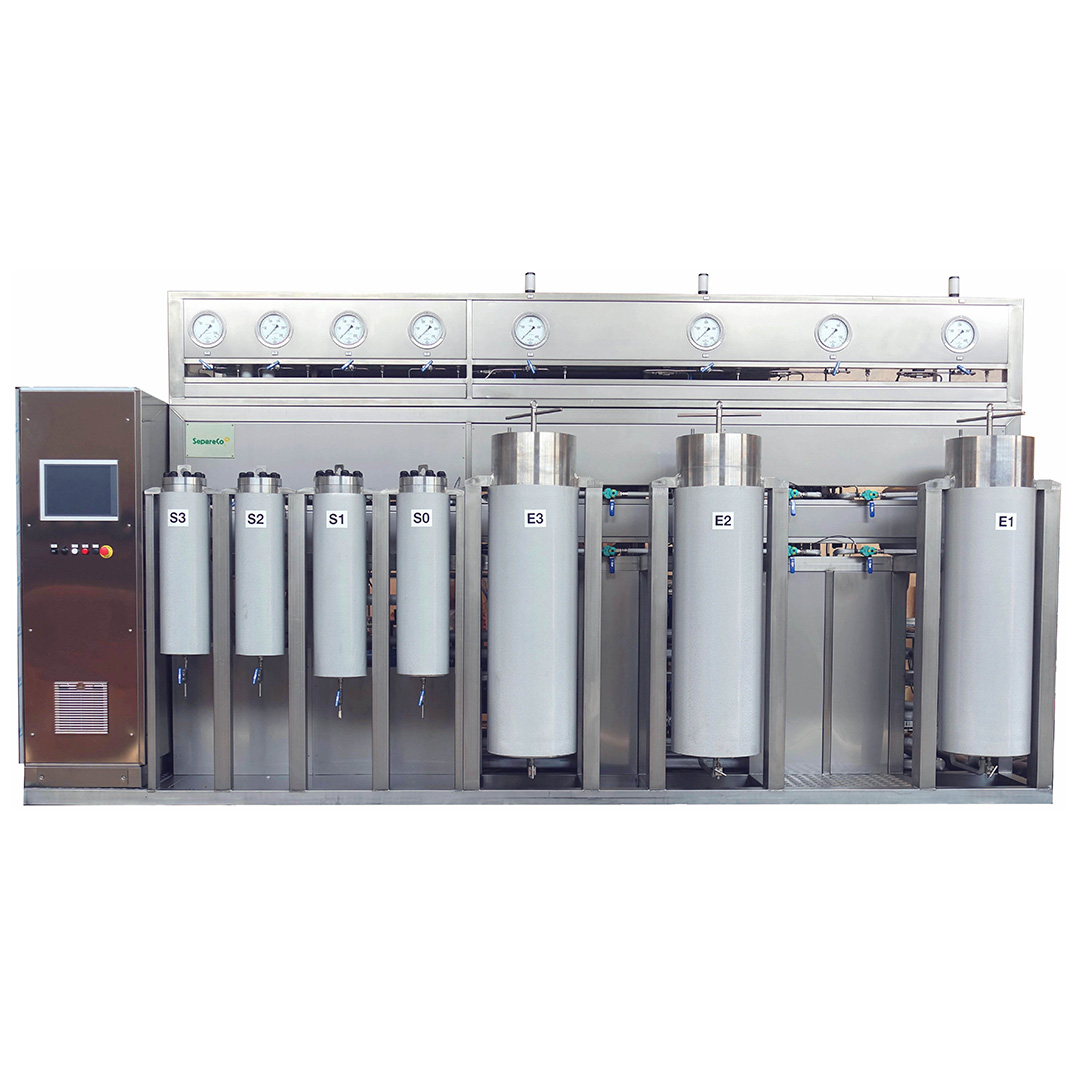
Triple 51 L Supercritical CO2 Extractor
Wide 4.6 m (15'),
Height 2.55 m (8.4'),
Deep 2.4 m (7.9').
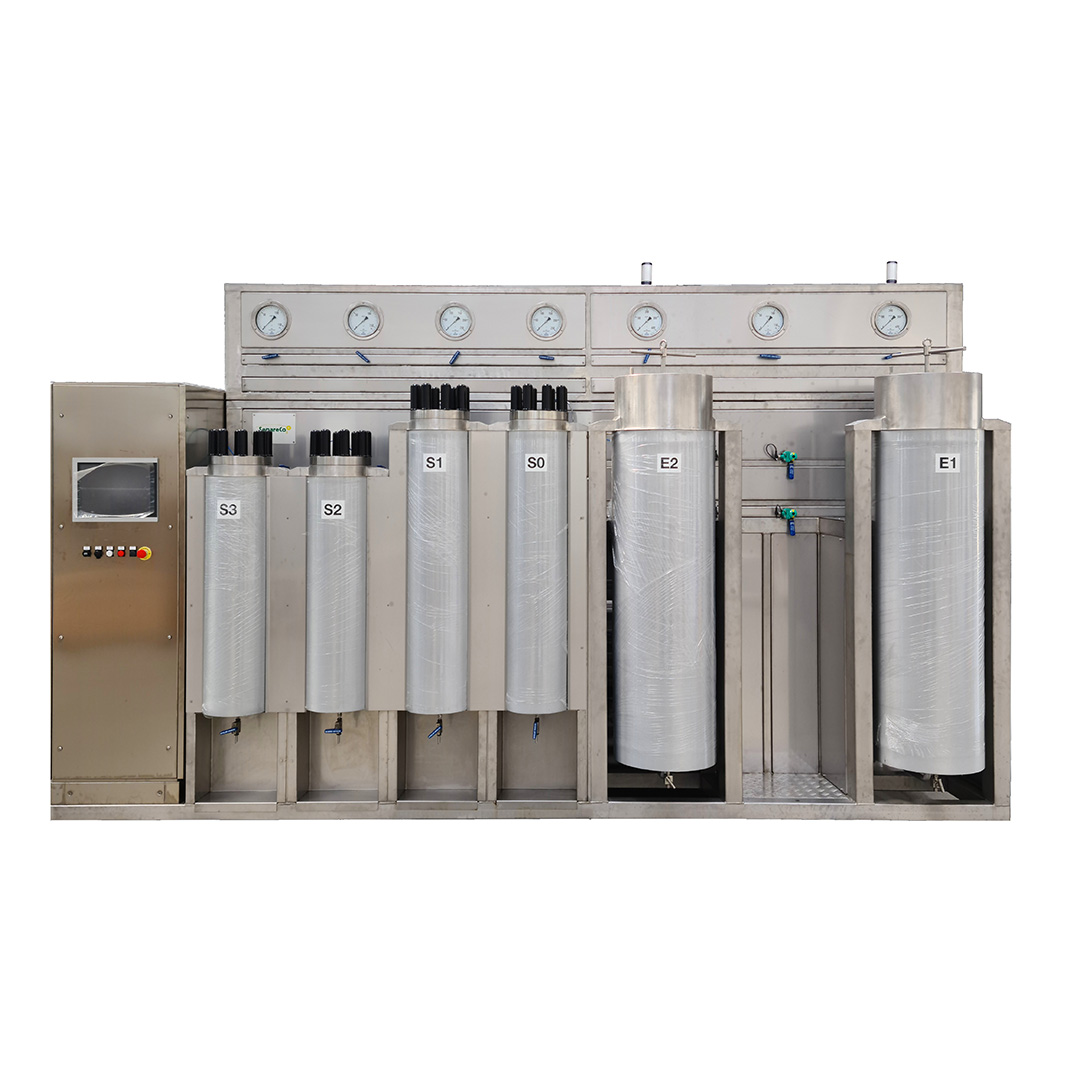
Dual 73 L Supercritical CO2 Extractor
Wide 4.2 m (13.8'),
Height 2.75 m (9'),
Deep 2.4 m (7.9').
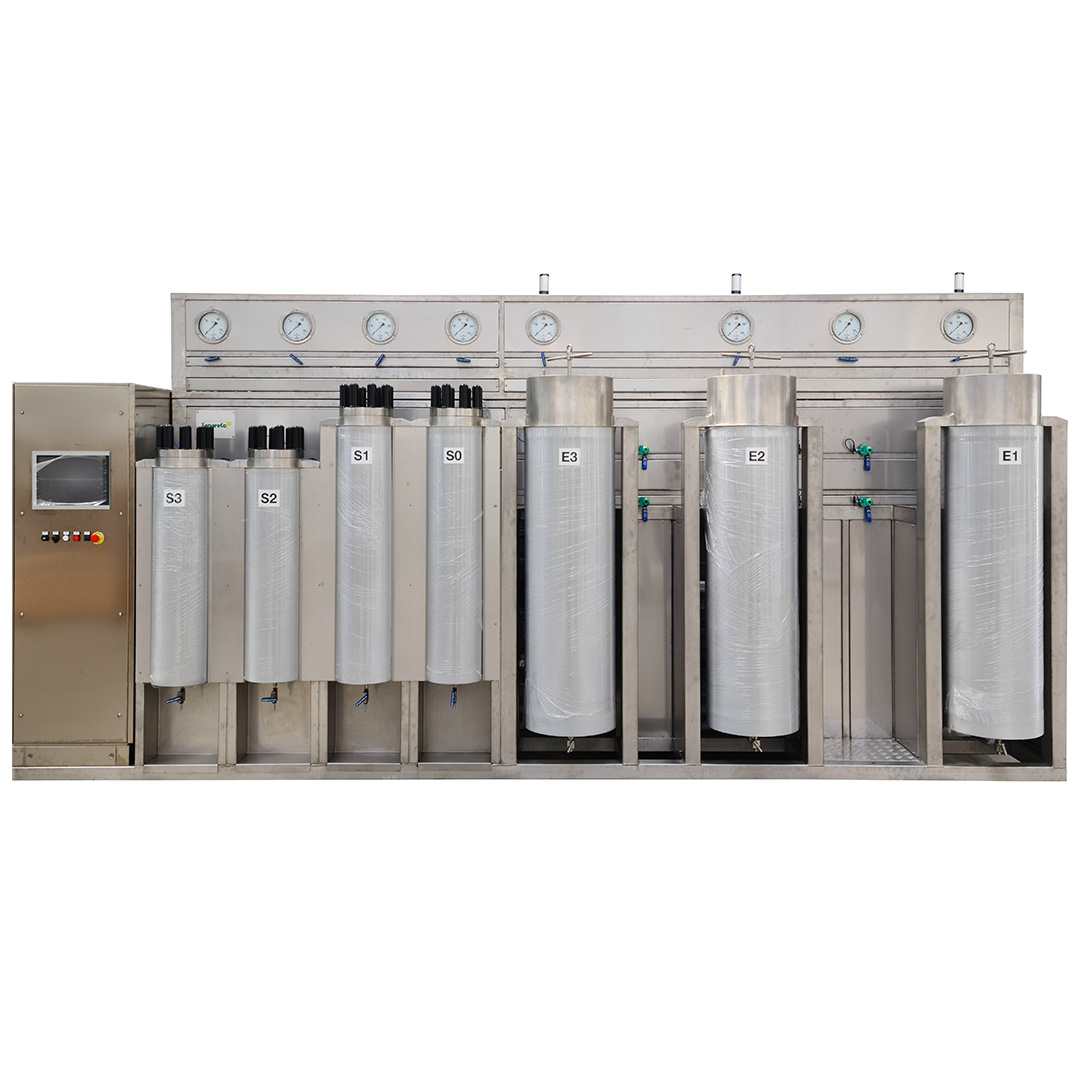
Triple 73 L Supercritical CO2 Extractor
Wide 5.4 m (17.7'),
Height 2.75 m (9'),
Deep 2.4 m (7.9').
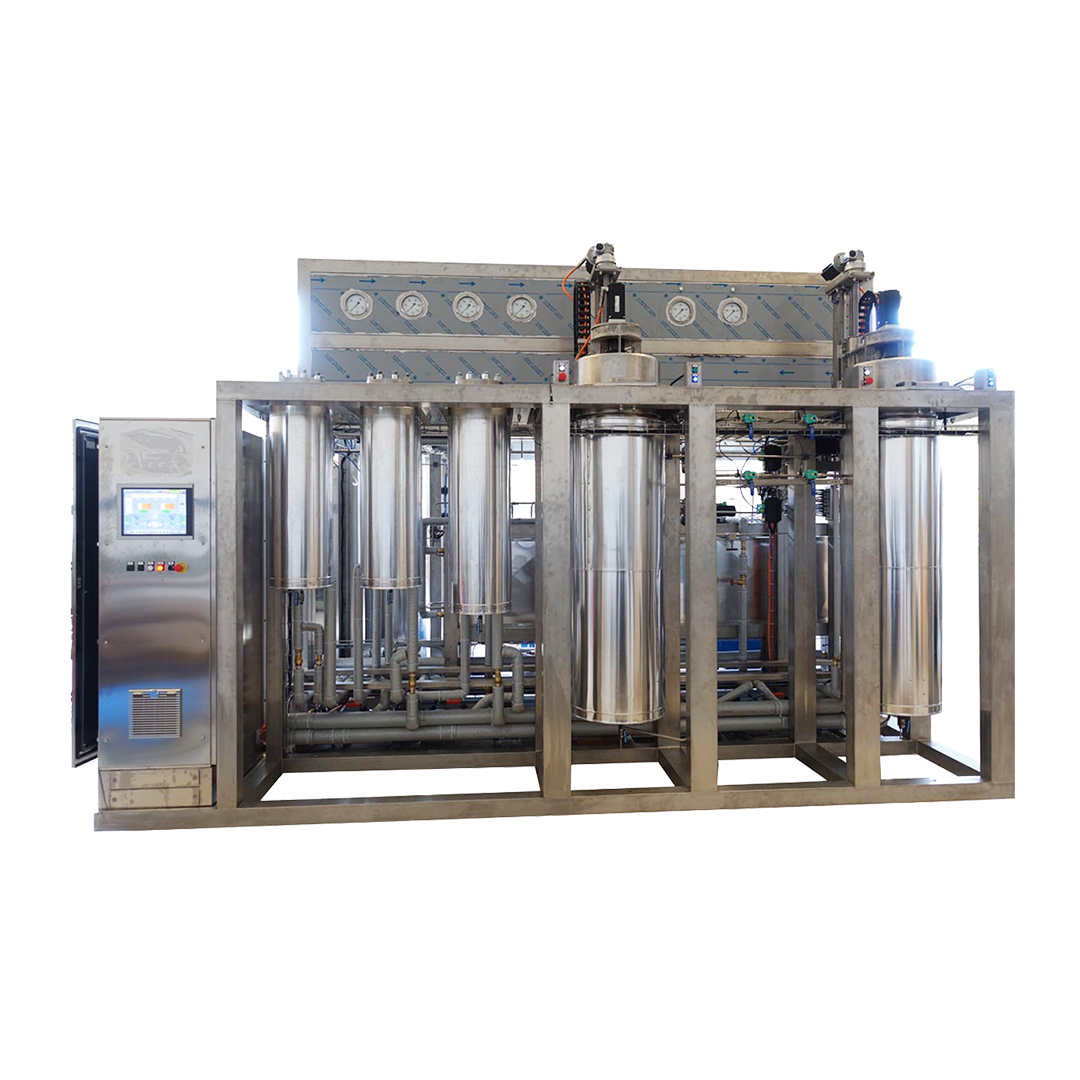
Equipamento industrial de extração supercrítica de CO2
Industrial extraction systems are designed for large volumes of raw material. They are large in size but simple to use like all other systems. Stainless steel frame. From 100 to 4000 litres extractor.
Dual 120 or 170 L Supercritical CO2 Extractor
Wide 5 m (16.4'),
Height 3.5 m (11.4'),
Deep 3.3 m (10.8').
Triple 120 or 170 L Supercritical CO2 Extractor
Wide 6 m (19.6'),
Height 3.5 m (11.4'),
Deep 3.3 m (10.8').
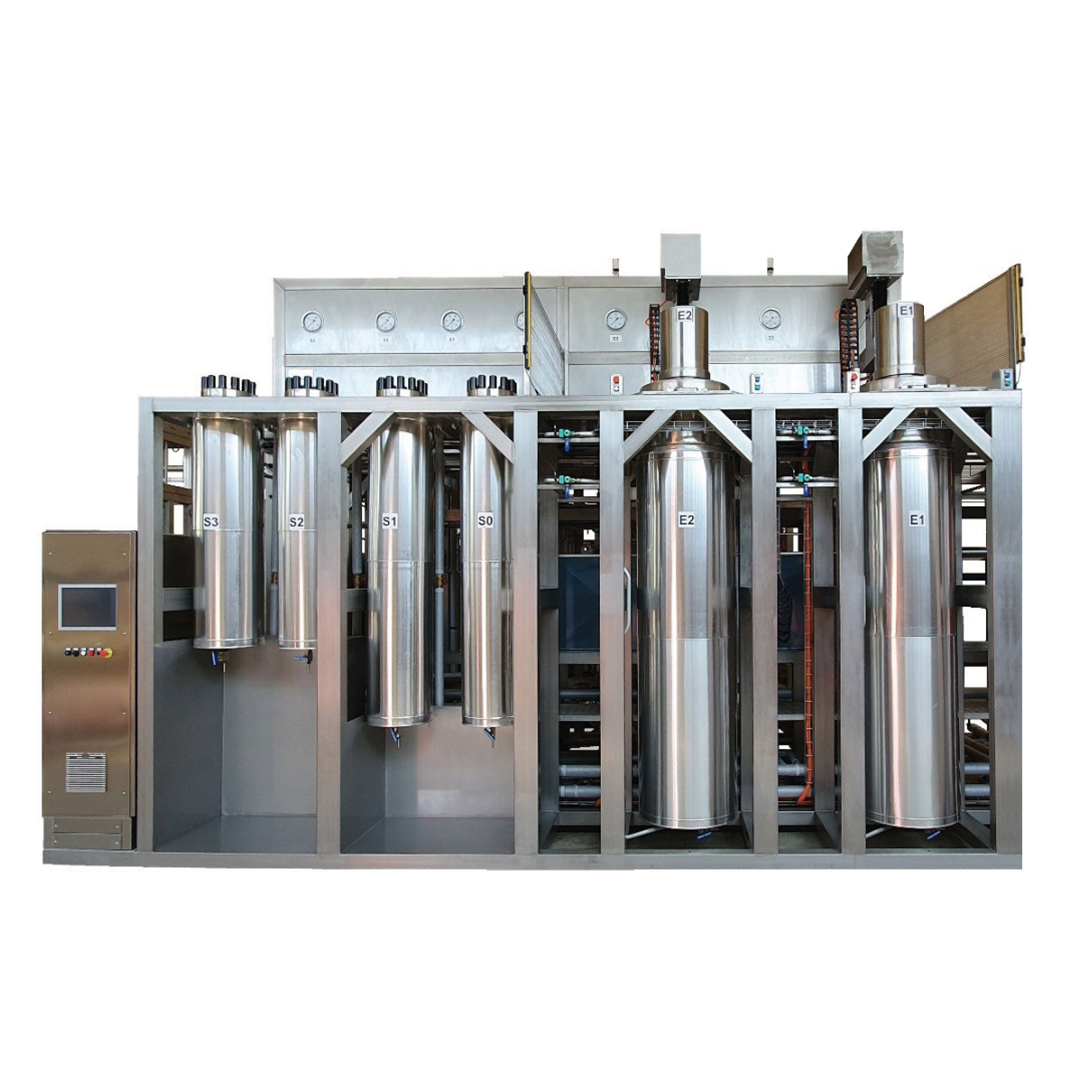
Dual 240 L Supercritical CO2 Extractor
Wide 6 m (19.6'),
Height 4.4 m (14.4'),
Deep 3.9 m (12.7').
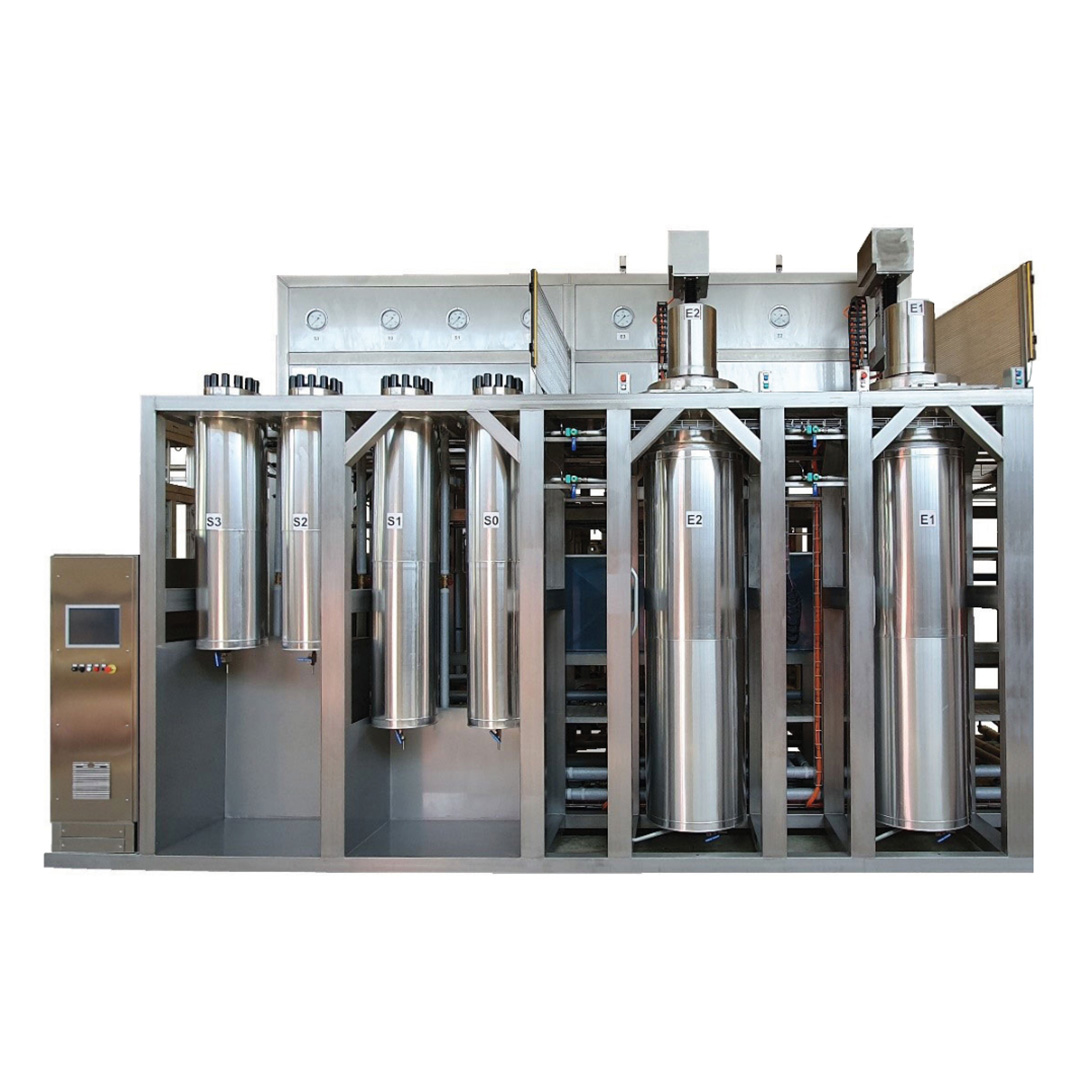
Dual 350 L Supercritical CO2 Extractor
Wide 6.5 m (21.3'),
Height 4.8 m (15.7'),
Deep 4.2 m (13.8').
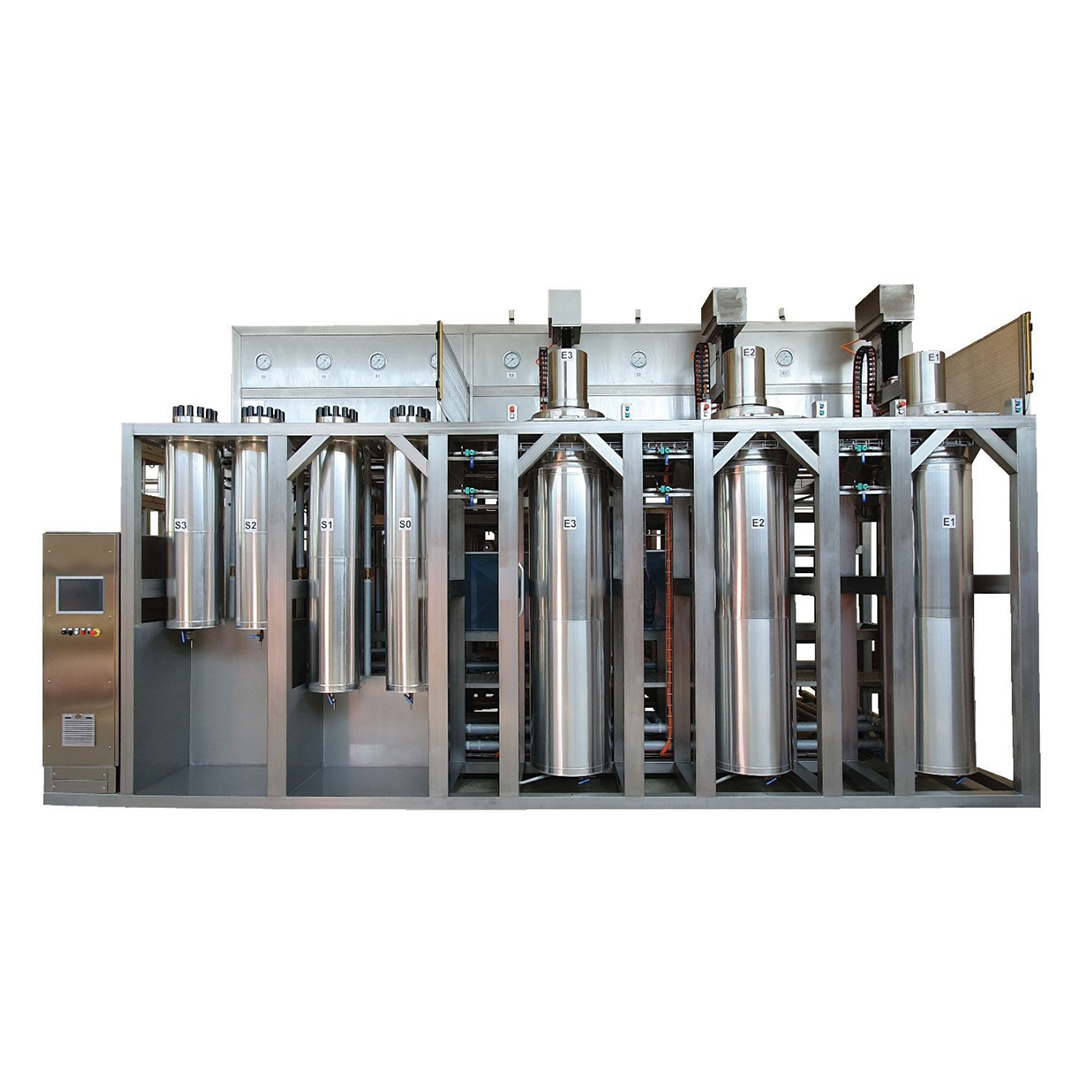
Triple 240 L Supercritical CO2 Extractor
Wide 7 m (22.9'),
Height 4.4 m (14.4'),
Deep 3.9 m (12.7').
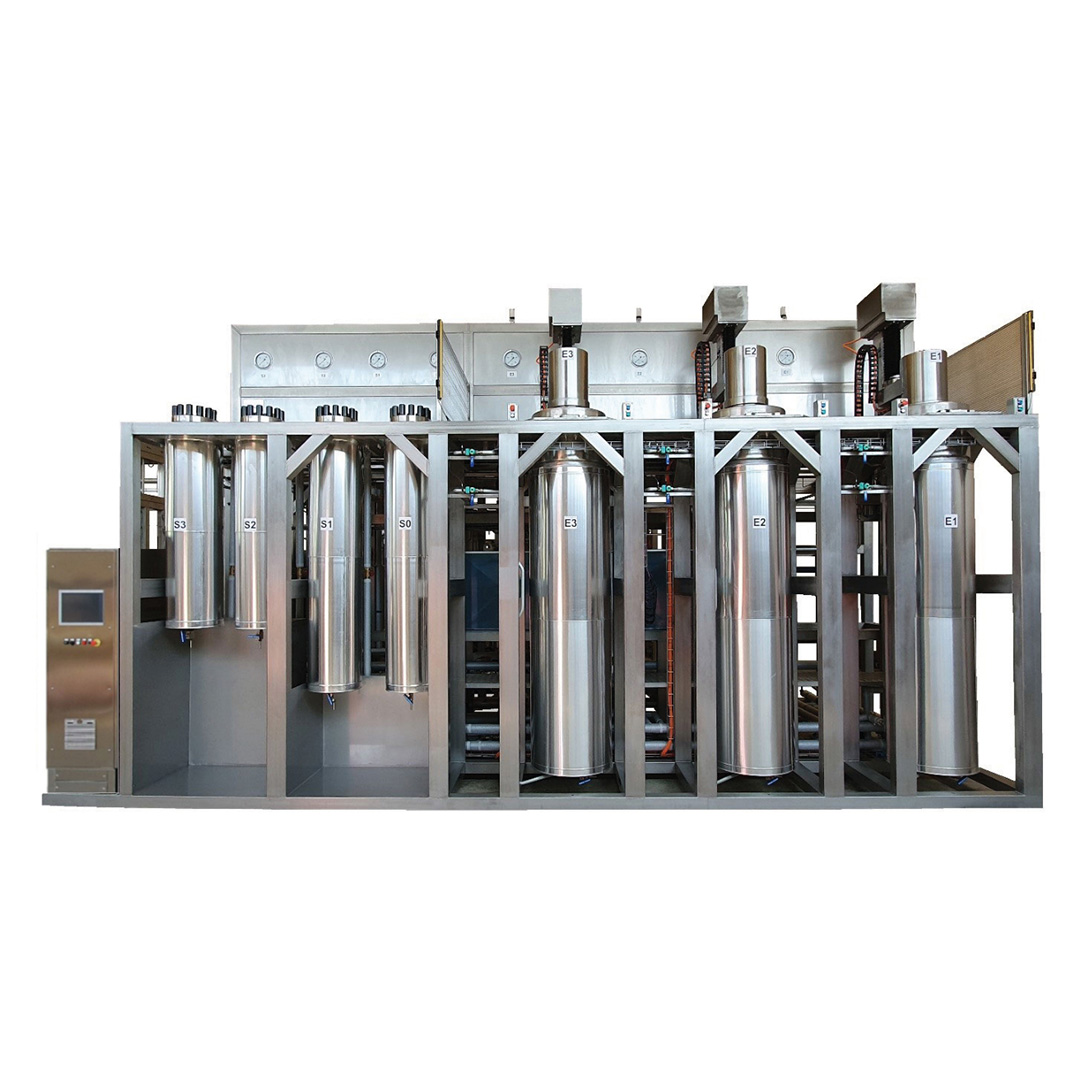
Triple 350 L Supercritical CO2 Extractor
Wide 7.5 m (24.6'),
Height 4.8 m (15.7'),
Deep 4.2 m (13.8').
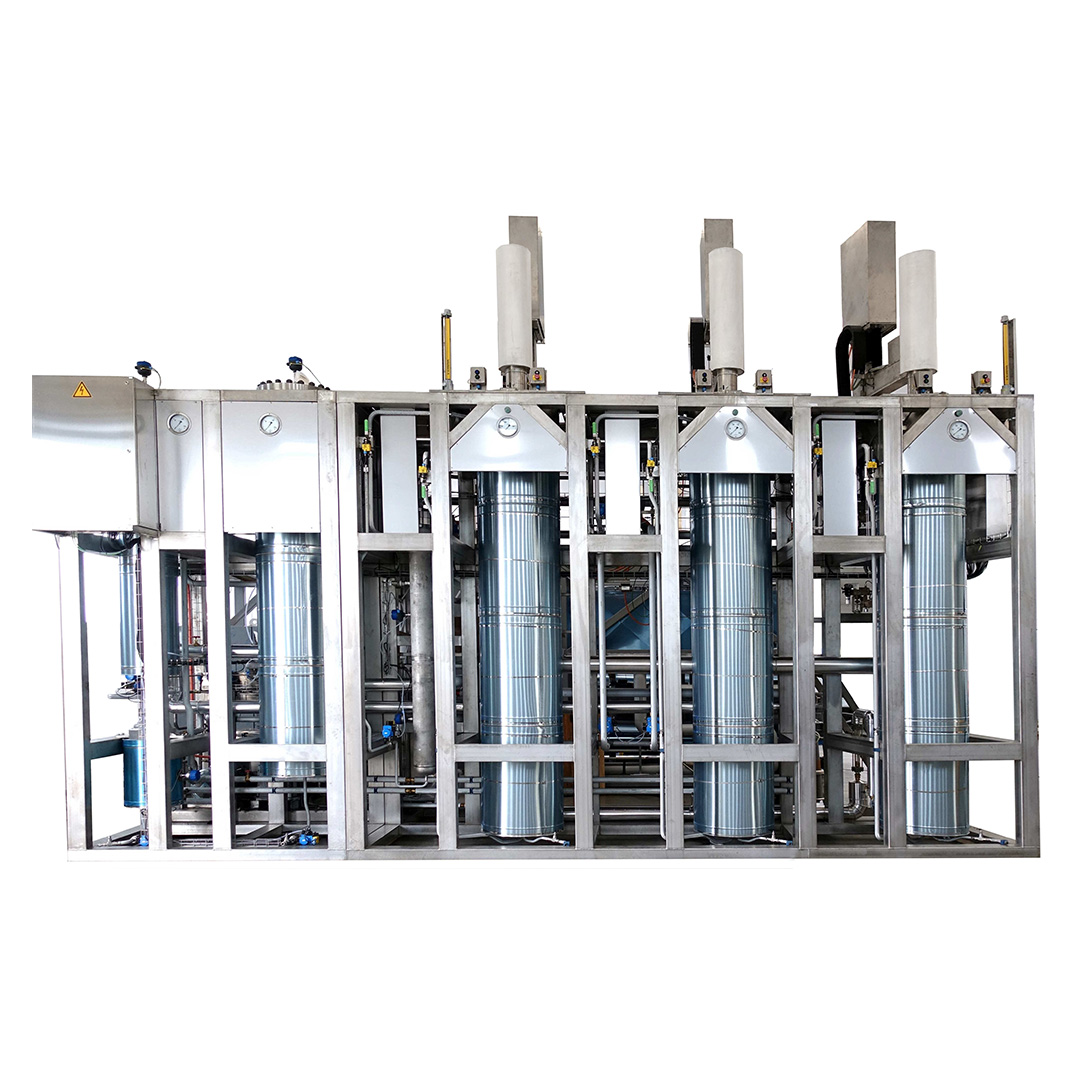
Triple 580 L Supercritical CO2 Extractor
Wide 9.8 m (49'),
Height 6.4 m (20.9'),
Deep 5 m (16.4').
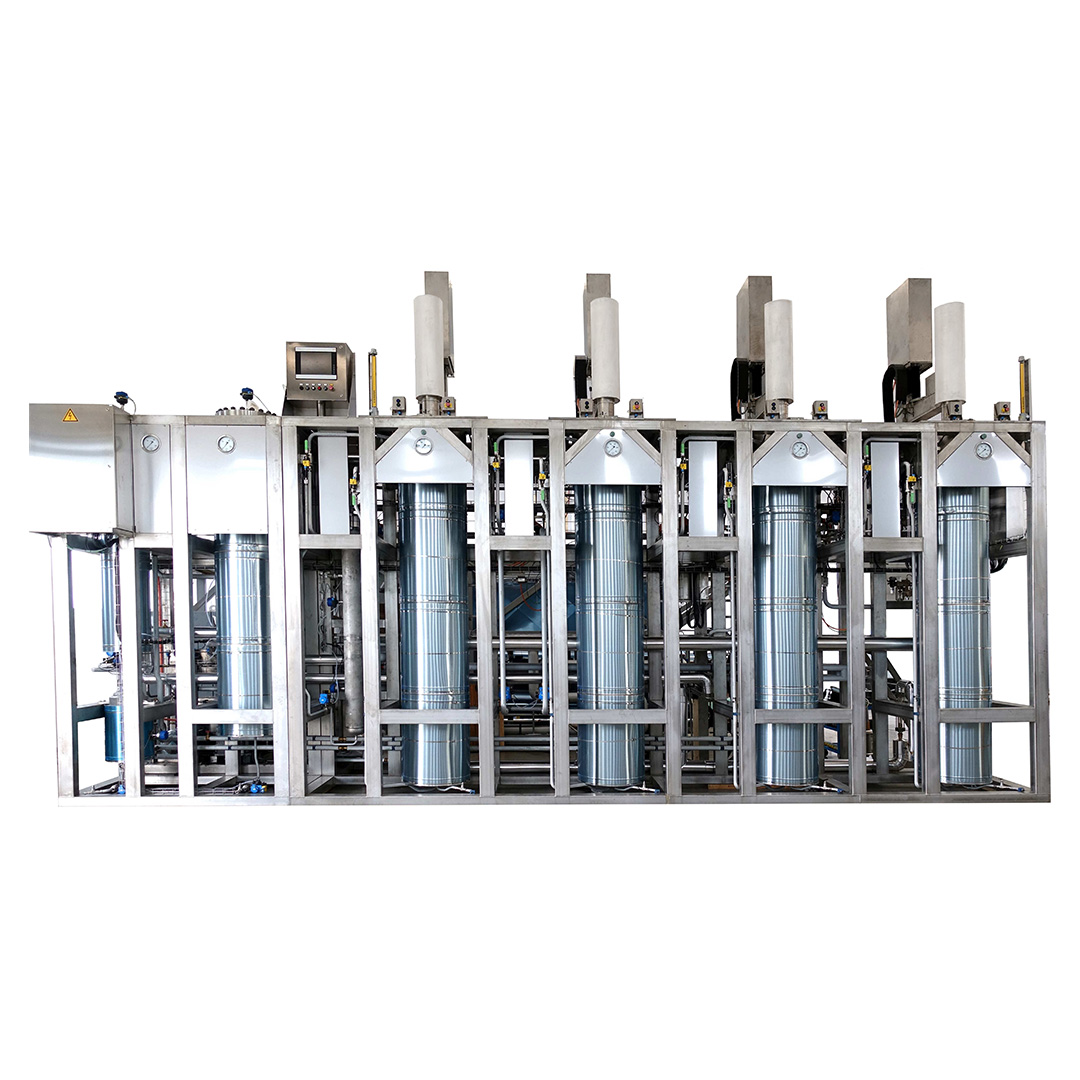
Quad 800 L Supercritical CO2 Extractor
Wide 15 m (49'),
Height 6.4 m (20.9'),
Deep 5 m (16.4').
Oferecemos:mmais CERTIFICAÇÕES para garantir mais SEGURANÇA e QUALIDADE – DESIGN rigoroso, padrão ou baseado em URS*
Nossas certificações:TUV ISO9001:2015 – CE Europa – Apave PED – listado UL/CSA – selo ASME U – CRN Canadá – aprovado pela TSSA – URS (especificações de requisitos do usuário)
CO₂ extraction systems : supercritical and liquid CO₂
Extraction systems are designed for solid matrices loaded in baskets: ground botanicals, seeds, granulates, powders, fibres and polymer flakes. They cover the full range from laboratory units running SEP for method development to multi-extractor industrial lines in SCP, SDP, COP or ECOP configuration, with vertical loading and fast-closing systems that keep vessel turnover to a few minutes. The same system runs two distinct extraction modes, selected by recipe: supercritical CO₂ for solvent power, liquid CO₂ for selectivity.
Operating window
Above the critical point, up to 350 bar on standard systems and higher on request. Pressure and temperature set the solvent density, and therefore its selectivity, for the target compound.
Como funciona
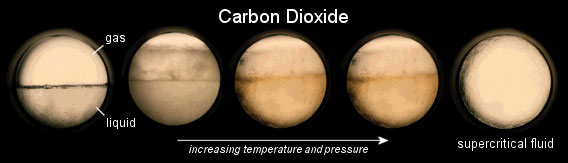
CO₂ behaves as a dense, tunable solvent. Cascade separators at decreasing pressure fractionate the extract during the process itself; small amounts of co-solvent can be dosed when the target is less soluble in pure CO2. Options such as ESE, SES, DLS and VAS further extend system performance.
Best for
Maximum yield, complete extraction of lipids, oleoresins and heavy fractions, and every process where solvent power matters more than delicacy.
Processes
- Botanical extraction — oils, oleoresins, lipids and active fractions from seeds, herbs, spices, roots, flowers and hops, active fractions from hemp, with no solvent residue.
- High-value lipids — wheat germ, rice bran, grape seed, hemp, green coffee
- Omega-3 — from krill, fish meal and microalgae
- Pigments and carotenoids — lycopene from tomato, lutein from marigold, astaxanthin from algae, curcumin
- Minor high-value compounds — squalene, tocopherols, phytosterols, policosanols
- Aromatic fractions — essential oils at low-density conditions like vanilla, citrus, spices, cocoa, tea
- Extracts from by-products — grape pomace, olive pomace, shells, spent coffee grounds, rendering residues
- Remoção de solvente — stripping of residual organic solvents from extracts, pharmaceuticals and intermediates down to trace level.
- Mineral oil extraction — recovery of hydrocarbons and lubricants from filter cakes, sludges, spent catalysts and industrial residues.
- Plasticiser removal for plastics recycling — extraction of phthalates and other additives from polymer waste, returning a clean matrix for reuse.
- Decontamination — removal of pesticides, heavy-oil residues, off-flavours and other contaminants from food, feed and natural raw materials.
- Selective purification — removal of an unwanted component (nicotine, bitter principles) while leaving the rest intact.
Operating window
Below the critical point, typically 50–70 bar and 5–20 °C. CO2 is a mild, non-polar liquid solvent with lower, far more selective solvent power.
Como funciona
Volatile and thermolabile compounds dissolve; waxes, pigments, resins and heavy lipids stay in the matrix. Near-ambient temperature protects the most fragile molecules, and the extract is recovered at the separator without any thermal step.
Best for
Selectivity over yield: heat-sensitive or highly aromatic matrices for which supercritical conditions are too aggressive.
Processes
- Perfumery and fine fragrances — top and heart notes from flowers, resins and woods, with an olfactory profile closer to the living plant than any distillation.
- Essential oils and absolutes — solvent-free alternative to hexane absolutes and steam distillation, without hydrolysis or heat degradation.
- Flavours and aromas — delicate volatile fractions from spices, herbs, coffee, tea and cocoa.
- Any other extraction where temperature matters more than yield.
IMPORTANT!
A standard supercritical CO2 system is not suitable for liquid CO2 extraction without specific predidposition. Ask for liquid CO2 predisposition at quotation phase to have supercritical and liquid CO2 extraction in the same system.
Operating window
Above the critical point, up to 350 bar on standard systems and higher on request. Pressure and temperature set the solvent density, and therefore its selectivity, for the target compound.
Como funciona
CO₂ behaves as a dense, tunable solvent. Cascade separators at decreasing pressure fractionate the extract during the process itself; small amounts of co-solvent can be dosed when the target is less soluble in pure CO2. Options such as ESE, SES, DLS and VAS further extend system performance.
Best for
Maximum yield, complete extraction of lipids, oleoresins and heavy fractions, and every process where solvent power matters more than delicacy.
Processes
- Botanical extraction — oils, oleoresins, lipids and active fractions from seeds, herbs, spices, roots, flowers and hops, active fractions from hemp, with no solvent residue.
- High-value lipids — wheat germ, rice bran, grape seed, hemp, green coffee
- Omega-3 — from krill, fish meal and microalgae
- Pigments and carotenoids — lycopene from tomato, lutein from marigold, astaxanthin from algae, curcumin
- Minor high-value compounds — squalene, tocopherols, phytosterols, policosanols
- Aromatic fractions — essential oils at low-density conditions like vanilla, citrus, spices, cocoa, tea
- Extracts from by-products — grape pomace, olive pomace, shells, spent coffee grounds, rendering residues
- Remoção de solvente — stripping of residual organic solvents from extracts, pharmaceuticals and intermediates down to trace level.
- Mineral oil extraction — recovery of hydrocarbons and lubricants from filter cakes, sludges, spent catalysts and industrial residues.
- Plasticiser removal for plastics recycling — extraction of phthalates and other additives from polymer waste, returning a clean matrix for reuse.
- Decontamination — removal of pesticides, heavy-oil residues, off-flavours and other contaminants from food, feed and natural raw materials.
- Selective purification — removal of an unwanted component (nicotine, bitter principles) while leaving the rest intact.
Operating window
Below the critical point, typically 50–70 bar and 5–20 °C. CO2 is a mild, non-polar liquid solvent with lower, far more selective solvent power.
Como funciona
Volatile and thermolabile compounds dissolve; waxes, pigments, resins and heavy lipids stay in the matrix. Near-ambient temperature protects the most fragile molecules, and the extract is recovered at the separator without any thermal step.
Best for
Selectivity over yield: heat-sensitive or highly aromatic matrices for which supercritical conditions are too aggressive.
Processes
- Perfumery and fine fragrances — top and heart notes from flowers, resins and woods, with an olfactory profile closer to the living plant than any distillation.
- Essential oils and absolutes — solvent-free alternative to hexane absolutes and steam distillation, without hydrolysis or heat degradation.
- Flavours and aromas — delicate volatile fractions from spices, herbs, coffee, tea and cocoa.
- Any other extraction where temperature matters more than yield.
IMPORTANT!
A standard supercritical CO2 system is not suitable for liquid CO2 extraction without specific predidposition. Ask for liquid CO2 predisposition at quotation phase to have supercritical and liquid CO2 extraction in the same system.
Supercritical CO2 extraction strategies for hardware
Oferecemos muitas soluções de extração. Juntamente com a configuração tradicional do sistema que utiliza um único extrator, introduzimos a configuração de dois e três extratores, a mais solicitada.
Existem muitas diferenças entre estas configurações de extração de CO2 supercrítico:
- Extrator único:esta configuração é amplamente utilizada em laboratórios para testar as condições de extração de CO2 supercrítico antes de iniciar a produção industrial. Os sistemas laboratoriais muito pequenos (volume do extrator de 50 a 1000 ml) são geralmente utilizados para a análise de extractos, mas não são úteis para derivar as condições do processo (pressão, temperatura, caudal, cinética). Devido à sua pequena dimensão, estes sistemas alteram a dinâmica dos fluidos e conduzem a um mau resultado designado por "efeito de redução de escala". Por este motivo, optámos por não construir sistemas com menos de 1,7 litros, uma vez que este é o volume mínimo necessário para amortecer este efeito e obter um processo reprodutível em sistemas de dimensão industrial.
Os sistemas de laboratório com CO2 supercrítico são indispensáveis para testar novas matrizes, a fim de avaliar as condições de solubilidade, o tempo de residência, o tamanho das partículas e a humidade da matriz antes da produção. - Double extractorEsta configuração representou um passo importante para uma maior eficiência no processo de extração supercrítica de CO2, mas apenas quando totalmente automatizada. De facto, só com a automatização é possível explorar as vantagens da extração semi-contínua, em que não há paragens entre extracções (como acontece com a configuração de um único extrator). Um extrator é descarregado e recarregado enquanto o outro está a ser extraído.
- Triplo extratorEsta configuração é a mais utilizada nas grandes instalações, pois aumenta significativamente o rendimento de extração, explorando as vantagens do processo de sobreposição da extração de CO2 supercrítico, +50% em relação à configuração de duplo extrator. Esta configuração exige um nível de automatização muito elevado. Por este motivo, é quase impossível encontrá-las em máquinas de produção inferior a 100 litros por extrator, mas não é este o caso. A Separeco, única no mercado, desenvolveu uma automação de processo inovadora que permitiu a introdução desta configuração mesmo em máquinas de produção com 24, 51 e 73 litros de volume de extrator, mantendo os custos a um nível mais do que razoável, muito abaixo dos benefícios que pode proporcionar. A Separeco é uma das poucas empresas no mundo que possui a tecnologia para gerir o processo do extrator triplo.
Geralmente, os equipamentos de extração de CO2 supercrítico são oferecidos com dois separadores. Nós fazemos mais do que isso.
Oferecemos diferentes configurações:
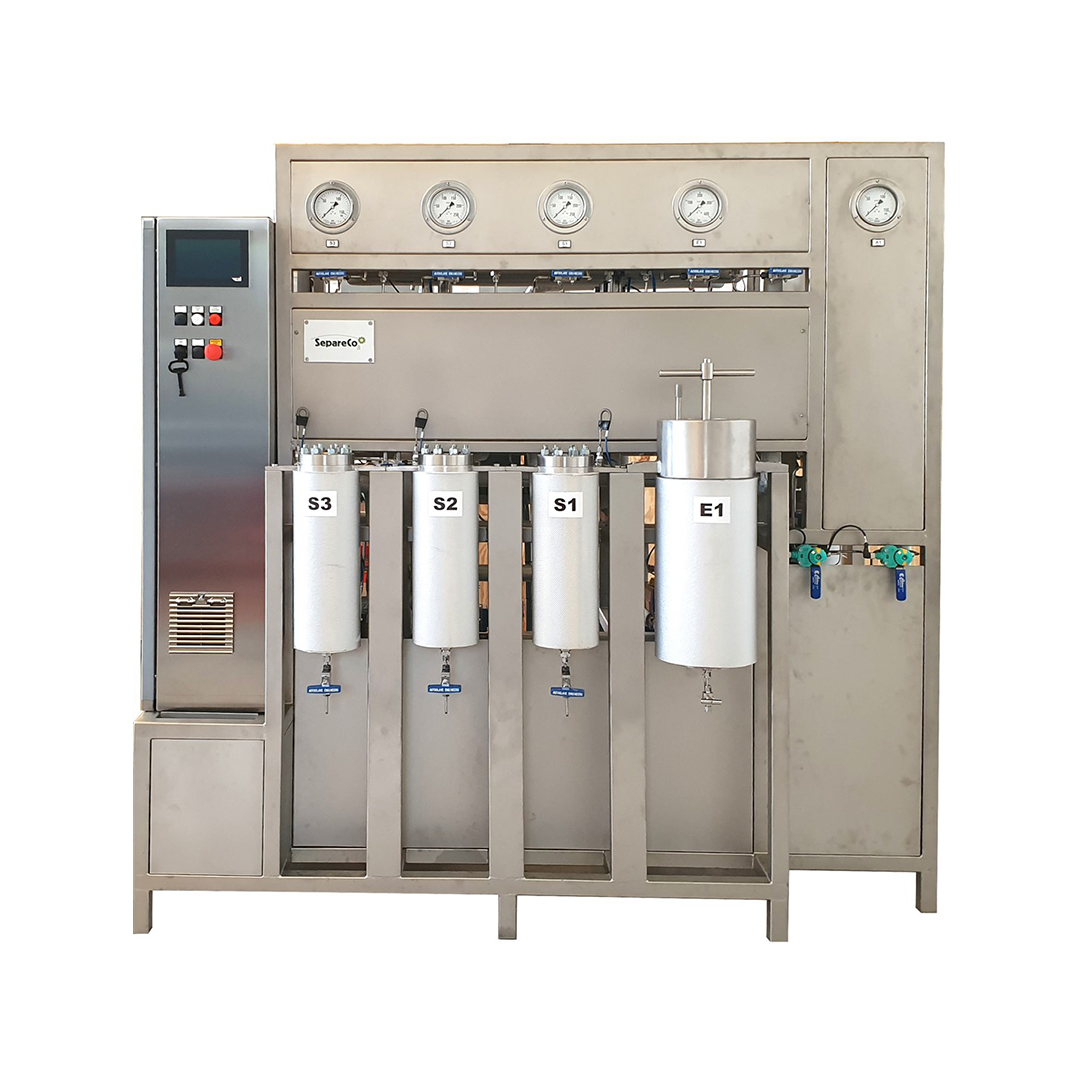
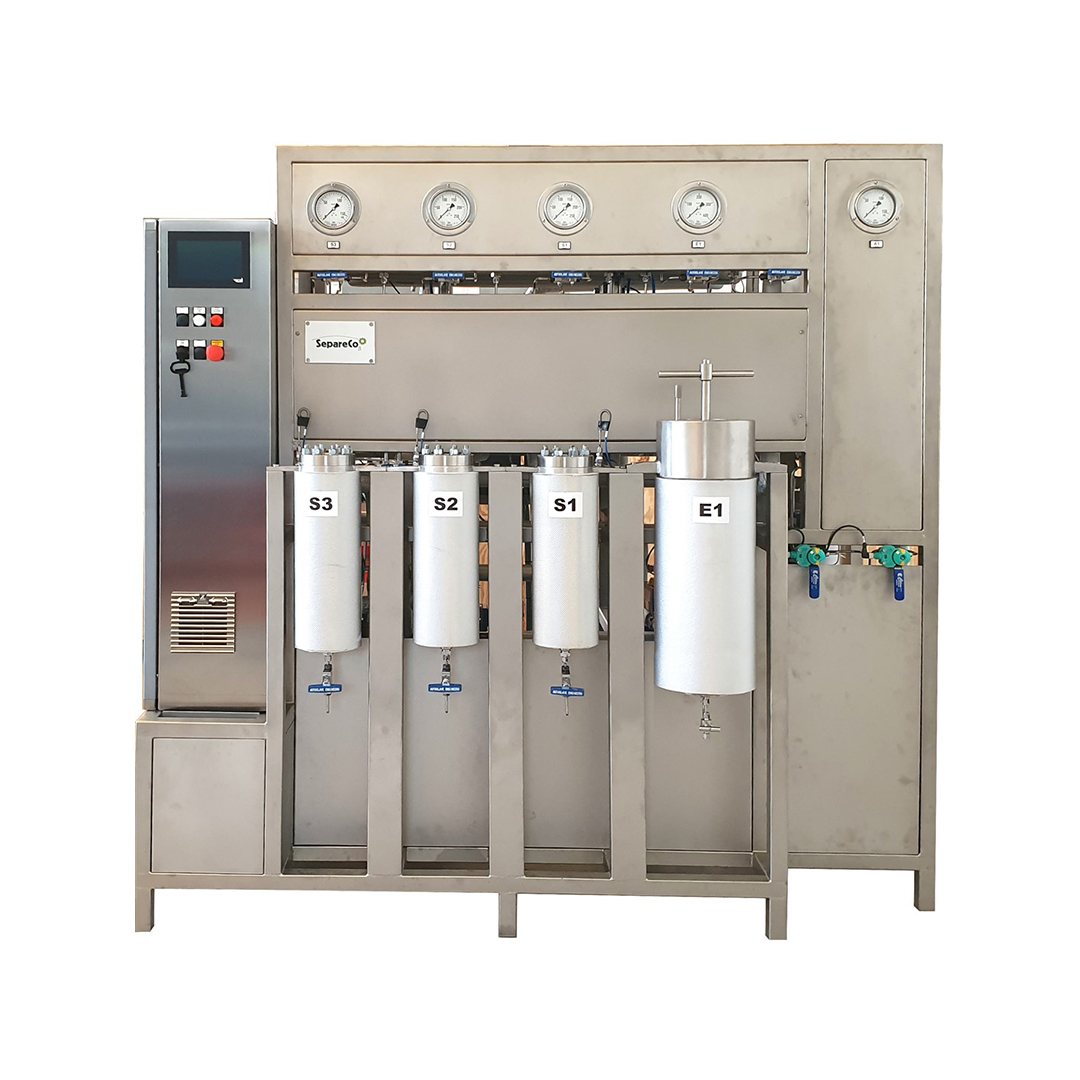
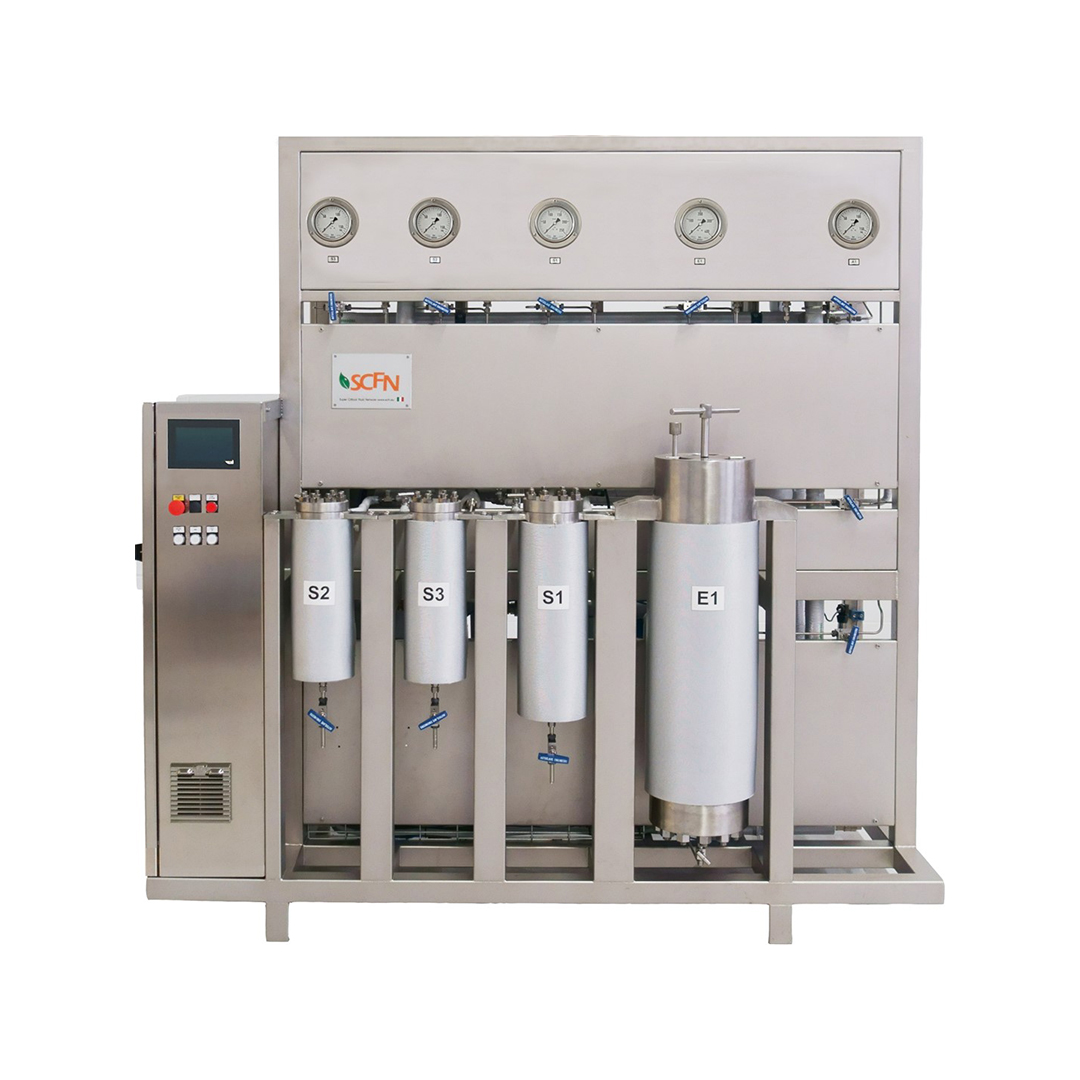
- Three separator configuração: esta é a nossa configuração padrão. Todos os separadores são controlados por temperatura, mas o primeiro é também controlado por pressão. A condição supercrítica no primeiro separador da linha oferece um melhor desempenho de separação. Cada separador recolhe diferentes fracções. Esta é uma grande vantagem para a extração supercrítica de CO2.
- Quatro separadores configuração: Esta é uma configuração especial. Com quatro separadores é possível direcionar um extrato específico para diferentes separadores, para ter uma coleção de extratos não misturados ao final do processo. Também neste caso todos os separadores são controlados em temperatura e o primeiro também é controlado em pressão. A condição supercrítica no primeiro separador em linha oferece melhor desempenho de separação. Diferentes frações são coletadas de cada separador.
Oferecemos diversas configurações e soluções especiais como a) sifão, b) controle de pressão simples, duplo ou triplo, c) recirculação total, d) sistema de abertura rápida trevo, e) tanque de CO2 com detector de nível de líquido, f) medidores de vazão Corilois, g) bombas de alta pressão para CO2 e cosolvente, h) software multiprocesso.
Solicite sua configuração específica de extração de CO2 supercrítico.