How to extract natural products from plants with the supercritical CO2 extraction method

How to extract natural products from plants with the supercritical CO2 extraction method

The process of supercritical CO2 extraction in the field of botany fascinates you and you would like to know what are the fundamental principles of this type of extraction? Have you read that the machine that extracts using the characteristics of supercritical CO2 must be equipped with software that needs to know some fundamental parameters and are curious to find out what they are? Or are you interested in delving into the topic of supercritical CO2 extraction technique?

Don’t worry!

Here’s an article that will explain everything about the extraction of natural products from plants using supercritical CO2.

Take a few minutes to read this article that we at Separeco, an Italian company based in Turin, a leader in the production of supercritical CO2 extraction machines, have prepared to explain how the extraction process works and what parameters to consider before starting the extraction process. We will see together how pressure and temperature parameters must be optimal and how important preliminary tests conducted by the operator are.

If you are interested in discovering how the extraction phase occurs, keep reading.

Happy reading!

All the principles of supercritical CO2 extraction

Supercritical fluid extraction applies to solid matrices, the acronym of which is SFE (Supercritical Fluid Extraction). In the case of liquid matrices, we are not talking about extraction but about fractionation, the acronym of which is SFF (Supercritical Fluid Fractionation), but we will deal with this methodology in another article.

First, let’s analyze the general aspects that describe the extraction principles. Extraction from solid matrices with liquid/supercritical solvents, called solid-liquid extraction, allows the desired compounds to be separated from the solid raw material, generally of botanical origin.

Generally, it is necessary to identify the most suitable solvent for the target compounds of the extraction. In our case it will be supercritical CO2. The solvent will occupy all possible spaces and then spread throughout the matrix. The extraction process then begins, generally by diffusion, in which the desired elements pass into the solvent, becoming concentrated.

The conditions or parameters of the process depend on the compounds of interest that are intended to be extracted from the chosen matrix. The supercritical CO2 extraction machine must be equipped with automation software that allows you to enter all these process parameters. A good machine must be able to load these parameters into the process recipes. Each matrix will have one or more process recipes based on the compounds that need to be extracted.

To make a good extraction you need to know:

1) The optimal pair of pressure/temperature to solubilize the target compound.

2) The flow rate of the CO2 pump and, if requested, the flow rate of the cosolvent pump.

3) The characteristics of the raw material

Before starting the extraction of any raw material, it is necessary to know its degree of humidity and grain size. It is necessary to reduce the amount of water contained in the raw material as much as possible, since water slows down extraction. A water content close to 7% is considered optimal. The size of the grind is also very important. A fine grain size of the ground material increases the exchange surface and consequently facilitates extraction. A good value is between 0.6 and 0.9 mm. A size of the ground material that is too small, less than 0.4 mm, can trigger the channeling effect (a channel that forms in the matrix where the supercritical CO2 passes thorough), compromising extraction.

Choosing the right pressure/temperature pair is the first step. Usually the operator refers to scientific publications that will help get closer to the correct values. However, some tests with values close to those published will be necessary to verify the solubility of your own raw material. When possible, low pressures and temperatures will be chosen, which increase the selectivity of the supercritical CO2, avoiding dragging unwanted compounds into the extract. Low temperatures ensure higher densities and so higher solubility power.

Subsequently the operator will have to choose the right flow rate of the CO2 pump. Unfortunately, this value cannot be found in publications. Due to the tiny size of the lab scale apparatus used for testing, volumes of just a few milliliters, this value, once published, is very often too large and therefore unusable in a production machine. This value will have to be found by the operator. It is advisable not to overdo the flow rate. Lower flow rates give better yields as the residence time of the solvent increases. A normal extraction kinetic has a value of 20 or 30 kg of supercritical CO2 per kg of matrix. In rare cases much higher values are justified.

The supercritical CO2 extraction process is a sustainable choice that protects both human health and the environment. Furthermore, it provides high-quality products and ensures significant applications in any sector due to its versatility.

If you are ready to consider the possibility of introducing a supercritical CO2 extraction process, do not hesitate to contact us. We will be happy to explain all the features of our machinery and support you in identifying the equipment that best suits your needs

How Supercritical CO2 is Reducing Industrial Carbon Emissions

How Supercritical CO2 is Reducing Industrial Carbon Emissions

How Supercritical CO2 is Reducing Industrial Carbon Emissions

In the quest to combat climate change and reduce industrial carbon emissions, the innovative use of supercritical CO2 technology has emerged as a game-changer.
This cutting-edge approach leverages the unique properties of supercritical carbon dioxide to enhance various industrial processes, leading to significant environmental benefits. In this article, we will explore how supercritical CO2 technology is revolutionizing industries by cutting down carbon emissions, improving energy efficiency, and fostering sustainable practices.
We will delve into how supercritical CO2 is reducing industrial carbon emissions, offering a closer look at the transformative impact this technology is having on the environment.

industria

Understanding Supercritical CO2 Technology

Understanding Supercritical CO2 Technology provides a foundation for appreciating its transformative role in reducing industrial carbon emissions. By harnessing the unique properties of supercritical CO2, industries can implement more efficient, eco-friendly processes that not only enhance performance but also align with global sustainability goals. This technology represents a pivotal shift towards greener industrial practices, promising significant advancements in emission reduction and environmental stewardship.

What is Supercritical CO2?

Supercritical CO2 refers to carbon dioxide that has been subjected to conditions above its critical temperature (31.1°C) and critical pressure (73.8 bar). At this state, CO2 exhibits both liquid and gas-like properties, making it an excellent solvent for various applications. Its unique characteristics include:

  • High Density: Allows for efficient extraction and separation processes.
  • Low Viscosity: Facilitates the movement and diffusion of CO2 through materials.
  • Selective Solvent: Can be tuned to selectively dissolve specific substances.

Applications of Supercritical CO2 in Reducing Carbon Emissions

1. Enhanced Oil Recovery

One of the significant applications of supercritical CO2 is in enhanced oil recovery (EOR). By injecting supercritical CO2 into depleted oil reservoirs, oil recovery rates can be increased while simultaneously storing CO2 underground. This process not only improves oil extraction efficiency but also helps in mitigating CO2 emissions by sequestering it in geological formations.

2. Green Solvent in Extraction Processes

Supercritical CO2 is increasingly used as a green solvent in extraction processes, replacing more harmful organic solvents. This shift reduces the overall carbon footprint of extraction operations and minimizes the generation of hazardous waste. Key industries benefiting from this application include:

  • Pharmaceuticals: For extracting active ingredients without toxic solvents.
  • Food and Beverage: In the decaffeination of coffee and extraction of essential oils.

3. Carbon Capture and Utilization

Supercritical CO2 technology is integral to carbon capture and utilization (CCU) strategies. By capturing CO2 from industrial processes and converting it into useful products, such as chemicals and building materials, industries can effectively reduce their carbon emissions. This approach contributes to a circular carbon economy, where CO2 is recycled and reused rather than being released into the atmosphere.
How Supercritical CO2 is Reducing Industrial Carbon Emissions

Benefits of Using Supercritical CO2 for Emission Reduction

1. Lower Environmental Impact

The use of supercritical CO2 significantly lowers the environmental impact of various industrial processes. Its application reduces reliance on harmful chemicals and minimizes waste, contributing to a cleaner and more sustainable industrial sector.

2. Improved Efficiency

Supercritical CO2 processes enhance operational efficiency by improving extraction yields and reducing energy consumption. This efficiency translates into lower carbon emissions and a more sustainable approach to industrial operations.

3. Regulatory Compliance

Adopting supercritical CO2 technology helps industries meet stringent environmental regulations and carbon reduction targets. By incorporating advanced CO2 management practices, companies can achieve compliance and demonstrate their commitment to sustainability.

Future Prospects of Supercritical CO2 Technology

As industries continue to seek innovative solutions for reducing carbon emissions, the role of supercritical CO2 technology is expected to grow. Ongoing research and advancements are likely to expand its applications, enhance its efficiency, and further contribute to global carbon reduction efforts.

Emission Reduction Through Supercritical CO2 Cycles

How supercritical CO2 is reducing industrial carbon emissions

Utilizing supercritical CO2 (sCO2) as a working fluid for waste heat recovery presents numerous benefits, particularly in LNG facilities. Supercritical CO2 is not only cost-effective and readily available but also non-flammable, making it a safe choice for industrial applications. Its high operating pressure allows for the design of highly compact systems, which is advantageous for space-constrained environments. The superior density and volumetric heat capacity of supercritical CO2 enhance its efficiency in capturing waste heat from gas turbines, outperforming other working fluids.

Comparative Analysis with Traditional Systems

This paper explores the feasibility of employing supercritical CO2 for power generation in LNG liquefaction facilities, comparing its performance with traditional systems like simple cycle gas turbines and combined cycle setups. Supercritical CO2 systems offer a substantial reduction in emissions, as opposed to steam-based combined cycles that struggle with low exhaust temperatures and mass flow rates. While steam cycles can be augmented with supplemental firing and multi-pressure level heat recovery to improve efficiency, these solutions add complexity to the system.

Advantages Over Organic Rankine Cycles

In contrast to organic Rankine cycles, which use thermodynamically less efficient and potentially toxic fluids, supercritical CO2 offers a cleaner and more efficient alternative. Supercritical CO2 systems provide a significant power output even under ISO conditions, with systems like the LM6000 achieving at least 10 MW. Additionally, the compact nature of supercritical CO2 equipment results in lower costs and reduced space requirements compared to traditional steam-based heat recovery steam generators (HRSG). Current advancements in packaged equipment are being tested in the 7-10 MW range, showcasing the technology’s potential for scalable and efficient power generation.
How Supercritical CO2 is Reducing Industrial Carbon Emissions

How can you reduce industrial CO2 emissions?

Reducing industrial CO2 emissions involves a multi-faceted approach that integrates technology, process optimization, and strategic planning. Here are key strategies to achieve this goal:

1. Implementing Energy Efficiency Measures

Optimize Energy Use:

  • Upgrade Equipment: Replace outdated machinery with energy-efficient models.
  • Improve Insulation: Enhance the insulation of industrial processes to reduce energy loss.
  • Adopt Combined Heat and Power (CHP): Use CHP systems to generate electricity and capture waste heat for additional energy savings.

Process Optimization:

  • Advanced Process Control: Implement systems that monitor and adjust processes in real-time to maximize efficiency.
  • Regular Maintenance: Conduct routine maintenance to ensure equipment operates at peak efficiency.

2. Adopting Cleaner Technologies

Switch to Renewable Energy:

  • Solar and Wind Power: Invest in renewable energy sources to replace fossil fuels.
  • Hydroelectric Power: Utilize hydroelectric systems where feasible to reduce reliance on carbon-intensive energy sources.

Use of Low-Carbon Fuels:

  • Biomass: Replace conventional fuels with biomass, which can offer a carbon-neutral option.
  • Hydrogen: Explore hydrogen as a clean fuel alternative, particularly in industries that are difficult to electrify.

3. Enhancing Carbon Capture and Storage (CCS)

Capture CO2 Emissions:

  • Pre-Combustion Capture: Remove CO2 from fossil fuels before combustion.
  • Post-Combustion Capture: Extract CO2 from flue gases after combustion.

Storage Solutions:

  • Geological Storage: Inject captured CO2 into underground rock formations for long-term storage.
  • Utilization: Use captured CO2 in industrial processes, such as enhanced oil recovery or the production of chemicals and materials.

4. Integrating Supercritical CO2 Technology

Supercritical CO2 in Energy Systems:

  • Efficient Power Cycles: Use supercritical CO2 in power cycles to increase efficiency and reduce emissions.
  • Waste Heat Recovery: Implement supercritical CO2 systems to recover and utilize waste heat, improving overall energy efficiency.

Advanced Extraction Techniques:

  • Sustainable Extraction: Employ supercritical CO2 for environmentally friendly extraction processes in industries such as pharmaceuticals and food processing.

5. Implementing Circular Economy Principles

Reduce, Reuse, Recycle:

  • Material Efficiency: Minimize waste by improving material efficiency in production processes.
  • Recycling Programs: Develop comprehensive recycling programs to reduce the need for raw material extraction.

Design for Longevity:

  • Durable Products: Design products with longer lifespans and ease of repair to minimize waste.

6. Monitoring and Reporting

Implement Emission Monitoring Systems:

  • Real-Time Monitoring: Utilize advanced sensors and analytics to continuously monitor CO2 emissions.
  • Transparency and Reporting: Regularly report emissions and improvement efforts to stakeholders to ensure accountability.

Continuous Improvement:

  • Set Targets: Establish clear CO2 reduction targets and continuously review progress.
  • Invest in Research: Support research and development of new technologies and methods for emission reduction.
By integrating these strategies, industries can significantly reduce their CO2 emissions, contribute to global climate goals, and move towards a more sustainable future.

All steps of supercritical CO2 extraction versatility and sustainability in a single process

All steps of supercritical CO2 extraction versatility and sustainability in a single process

Have you read about how the steps of supercritical CO2 extraction offer versatility and sustainability, and would you like to know how the entire process works? Are you fascinated by the world of extracting principles from plants and would you like to know every detail of the particular process of supercritical CO2 extraction? Or are you simply curious to know why the process of supercritical CO2 extraction is recognized as sustainable?

Here’s an article that will explain every detail of this extraction process!

Take a few minutes to read this article that we at Separeco, an all-Italian company specializing in the production of supercritical CO2 extraction machinery, have written to explain the advantages of choosing a supercritical CO2 extraction process, especially in terms of cost savings and environmental sustainability. Together, we’ll not only see what the most important phases of the extraction process are, but also how our machinery reduces processes to be used in many productive areas. If you’re interested in delving deeper into the topic, keep reading.

Enjoy your reading!

All the benefits of supercritical CO2 extraction processes

The processes of supercritical CO2 extraction occur under mild extraction conditions and low temperatures, making it possible to recover thermolabile substances, which are sensitive to heat and would be degraded and partially destroyed at high temperatures in other contexts. 

Additionally, the use of high pressures ranging from 80 to 350 bar, but which can be increased further, allows for the modulation of solvent strength, making CO2 selective for certain substances over others. This characteristic potentially allows for the extraction of lipophilic extracts with a controlled or mitigated level of unwanted substances. 

For example, if one desires to obtain an extract from lotus leaves while limiting the extraction of chlorophyll, which would impart a green or black color to the extract, the pressure can be limited to 240 bar. Small precautions like this in the process planning phase can completely eliminate lengthy and costly post-processing stages. 

Typically, to separate chlorophyll, activated carbon filters are used by dissolving the extract in ethanol and subsequently filtering it. With CO2 extraction, it is possible to bypass this post-processing step, saving on the costs of purchasing ethanol and activated carbon filters, as well as the significant process costs associated with these purification stages and the disposal of ethanol and activated carbon filters, the latter being substantial. Lastly, but not least, 95% of the CO2 used in an extraction cycle is recompressed for reuse in the next process, thus avoiding significant carbon dioxide emissions. 

Even this small amount can be easily recovered and reused (typically in industrial plants). Therefore, it can be stated that supercritical fluid extraction conducted with CO2 is a sustainable process. 

With Separeco’s systems, the steps to proceed with extraction are indeed few and simple:


1. Loading the matrix into the extraction basket

2. Loading the basket into the extractor

3. Initiation of the extraction cycle

4. Collection of the extract

5. Depressurization and basket exchange

Supercritical fluid extraction processes, especially with supercritical CO2, can be highly versatile, capable of serving various purposes and activities. Within the realm of lipophilic extractions, CO2 stands unparalleled in effectiveness, especially in extracting from numerous matrices that are oily or rich in apolar substances. For example, it’s possible to conduct a chia oil production campaign and subsequently produce extracts of bitter orange essential oils, all using the same equipment after a thorough cleaning cycle. SC-CO2 is also versatile because it enables processes such as drying, cold pasteurization, and is even used in the production of innovative aerogels because it can easily and rapidly remove solvents used in synthesis. Lastly, in industrial applications, supercritical CO2 is employed in the production of certain polymers (plastics), which are suspended in a fluidized bed of liquid or supercritical CO2 before being pelletized or spun into virgin granules of polyolefins such as PE and PP, or PET

As you can see, the supercritical CO2 extraction process is an interesting choice in various sectors, as it not only provides safety and environmental sustainability but also delivers high-quality products. If you are a business owner looking to harness the full potential of the supercritical CO2 extraction process, contact us for consultation. Fill out the form below, and we will be happy to assist you in implementing the supercritical CO2 extraction process in your business sector.

The extraction with supercritical CO2 at the service of production processes

What are the characteristics of supercritical CO2? The extraction with SC-CO2 at the service of production processes

Have you heard about the extraction with supercritical CO2 process as a new efficient and sustainable technology and would you like to know all about the characteristics of supercritical CO2? Have you read that CO2 exists in a state that is a mixture between the gaseous and liquid states and would you like to delve deeper into the subject to understand the advantages of supercritical CO2 extraction? Or are you curious about the properties of supercritical CO2 to better understand how it works in the extraction process?

Here’s an article with all the information!

Take a few minutes to read this article that we at Separeco, an Italian company based in Piedmont, have written to explain in detail how the supercritical CO2 extraction process works and what the technical characteristics of CO2 are. We’ll see that it has special properties that make it an excellent solvent suitable for extraction, and we’ll discover how it behaves under different temperature conditions.

Happy reading!

grinded-material

Supercritical CO2: The Sustainable and Efficient Extraction Process

In supercritical state, CO2 is characterized by mixed properties between gaseous and liquid state, so it is an excellent and effective apolar solvent, for the extraction of solutes having a low polarity, so similar that it can be compared to hexane. Looking at the table below, you can understand how, at constant pressure and increasing temperature, the properties of CO2 change considerably. In particular, the volume increases, while density and viscosity decrease, therefore an increase in the capillarity of gas is obtained, this gas at P equal to 80 bar and T equal to 31 ° C (conditions highlighted in orange) is in fact in the supercritical phase, no longer gaseous.

Pressure

(bar)

Temperature (°C)

Density (kg/m3)

Volume

(m3)

Viscosity

(cP)

Phase

80

0

961,94

0,0010396

0,10989

Liquid

80

20

827,71

0,0012081

0,075717

Liquid

80

31

679,73

0,0014712

0,05332

Supercritical

80

40

277,9

0,0035985

0,022345

Supercritical

80

60

191,62

0,0052186

0,020026

Supercritical

80

80

160,34

0,0062368

0,020046

Supercritical

80

100

141,27

0,0070784

0,020481

Supercritical

From the data reported in the table, it can be seen that the density of the supercritical fluid reaches that of the liquid, in conditions of relatively low temperature (around 30° C) and high pressures. The ability to solubilize is therefore close to that of a liquid and, in some cases, even higher. Diffusivity stabilizes on intermediate values between liquid and gas. Finally, the viscosity is close to the values of the gaseous state. It follows that: the best transport properties of supercritical CO2 expressed by these data (better viscosity and diffusivity than that of a liquid) demonstrate how the speed with which supercritical CO2 is able to interact with the solute to be extracted is greater compared to that of an organic solvent not in supercritical conditions. Therefore, CO2 in the liquid/supercritical state has very low surface tension and viscosity values, combined with a high solvent power, in particular for low-polar or apolar compounds.

How supercritical CO2 works in a process:

  • Liquid CO2 is compressed to pressure higher than 73 bar and temperature higher than 31° C. In these conditions CO2 became a supercritical fluid and passing thorough the material it solubilizes and extracts the compounds of interest.
  • After the solubilization of the compounds of interest, it can be easily converted back to the gaseous state and eliminated without further procedures. In this way a finished product can be obtained without a trace of solvents.
  • Gaseous CO2 is than condensed to liquid and recirculated in the extractor.
  • With a Tc close to room temperature, the damages to the thermolabile substances are reduced and the final product will be more valid and safe.
  • By saturating the extraction chamber in a short time, chemical and biological oxidative processes that could alter the matrix or the compounds to be extracted are inhibited.
  • Being a low molecular weight gas, each matrix will have a high permeability for it, and therefore the extraction time will be shorter than the other solvents.

The processes using supercritical CO2 are founded on the specific properties of Carbon Dioxide, particularly on the possibility to vary its solvent power over a wide range: it is used as “good” solvents (extraction solvents, chromatography eluents, reaction media) when operating conditions leads to a high specific gravity (high pressure, temperature above the critical temperature), and it is later turned into compressed gases with very low solvent power (pressure below the critical pressure, temperature above the liquefaction temperature at this pressure) in order to perform fluid-solute separation.

It has to be emphasized that one of the main interest of supercritical CO2 is related to the ability to set very precisely its solvent power vis-à-vis different compounds by tuning pressure, temperature and co-solvent content: this permits to perform very selective fractionation of complex mixtures that cannot be resolved with classical organic solvents or by any other process. This is used either for sorting compounds belonging to the same chemical family but differing by their carbon numbers (i.e. fatty acids or oligomers/polymers), or of similar molecular mass but with slightly different polarities).

Moreover, it is possible to combine this “tunable” solvent power with selective means known in chemical engineering for completing difficult separations like:

Fractionation of liquid mixtures, high-performance multi-stage counter-current packed or stirred columns are preferred; to increase selectivity, a reflux of extract is performed either by operating a temperature gradient along the contactor on pilot-scale equipment (causing solvent power decrease and consequently precipitation of the less¬soluble compounds that reflux in liquid phase) or by an external reflux on large-scale equipment;

Multi-stage separation of the fluid-solute mixture through separators in series operated at decreasing pressures in order to fractionate the solute according to its affinity with CO2;

Combination of extraction or fractionation with selective adsorption of the solute mixture dissolved in the depressurized fluid onto a selective adsorbent;

Adsorption of the most volatile compounds of the solute in order to avoid recycling with the fluid and important losses of such compounds or selectivity decrease.


What products can be produced with supercritical CO2 extraction? The floor to the experts

What products can be produced with supercritical CO2 extraction? The floor to the experts

Have you heard about the supercritical CO2 extraction process and would you like to understand its most important applications? Have you read that supercritical CO2 extraction allows for the production of high-quality products and would you like to know which productive sectors can benefit from its high performance? Or are you curious to find out which products can be obtained with supercritical CO2 extraction?

Here is an article that will explain everything in detail!

Stop and read this article that we at Separeco, an Italian company that produces machines and systems for extracting compounds and natural materials using supercritical CO2 technology, have prepared to give you all the information about the various application areas of this new and sustainable extraction technology. We will see how supercritical CO2 extraction technology can be used in many ways: from the production of products in the food, cosmetic, nutraceutical, and pharmaceutical industries, to replacing conventional processes to improve the quality of life for workers and reduce environmental impact.

Happy reading!

Supercritical CO2 Extraction: All the Applications for High-Quality and Sustainable Products

In most cases this technology is used within agricultural production platforms. Many applications using supercritical CO2 have been developed for different manufacturing sectors such as:

  • production of high-quality and high-performance products, depending on the characteristics of the technology, characteristics identified as follows:
    • extracts from plants for use in food, cosmetic, nutraceutical and pharmaceutical industry
    • fractions of an extracts concentrated in active ingredients (e.g. palm oil fraction concentrated in tocopherol or vitamin E)
    • pasteurization processes at room temperature (33° C) of natural drinks
    • dealcoholisation with preservation of the aromas characteristic of the alcoholic beverage
    • high value ingredients from waste products: polyphenols and antioxidants from vegetable water, botanical waste for highly active molecules extracts, desolate meal for dietary products
  • replacement of conventional processes by reducing environmental impact and significantly improving the life quality of workers (eg: for the removal of toxic substances)
  • product innovation with significant increase in the effectiveness and safety of the products enhancing the penetration in international markets.
  • development of a lot of patents, thanks to innovative features. This technology can really help to increase the development of the industrial business, raising the attention of the markets.
  • development of a strong correlation between the technology used and the territory around it by several factors:
    • the versatility of the technology, suitable for application in many industrial sectors
    • its ability to influence the development of entire agricultural value chain for waste products integration and high versatility expressed in many different industrial applications.

Supercritical CO2 Extraction: Case 1- almond, soy and wheat extraction

In this case we are not proposing a structural intervention in association with agricultural systems, but a direct action on the supply chain of basic food products for the food, confectionery and nutraceutical industry for:

  • oils from seeds, wheat germ, soy flour, almonds, characterized in antioxidants (e.g. beta-sitosterol from almond, oil tocopherol from wheat germ)
  • polar compounds and water-soluble extracts of soy (such as soy isoflavones present in supplements for menopausal women)
  • exhausted matter for healthy-food

Supercritical CO2 Extraction: Case 2: Extraction of oil from exhausted flour

If we de-grease a flour with SFE (e.g. soybean flour) we get a product in which (as opposed to standard flour) caloric intake is reduced by 20-25%. The protein content increased by 35%, the fibres increased by 24%. This new food is very interesting in terms of diet and healthy. After oil separation, flour may be further treated in supercritical phase together with water as a co solvent to obtain:

  • Isoflavones from desolated soybean meal (for the treatment of the effects of menopause in women)

In soy flour, in addition to isoflavones, there are other substances of interest (lignans for the treatment and prevention of male prostatitis). From defatted flours (through a process with supercritical CO2) it is possible to obtain:

  • extracts concentrated in glyconic isoflavones to be transformed into flavonoid aglycones which have a better assimilation. These are phytoestrogens that have a high demand from the market (which is made up of women over 50).

Furthermore, the extracted oil is very interesting and could have greater value on the market thanks to the SFE method not only for the higher value attributed to soy flour and all products derived from soy flour but also for the qualitative parameters (acid value, peroxide, iodine) and also the ability to extract components that normally do not leave the matrix with standard processes (e.g. beta-carotene and vitamin E). In summary, the technological quality of the extract and the flour defatted with SFE will promote a series of new products, in line with current market trends, with the following characteristics:

A. FUNCTIONAL FOOD

Defined by the Institute of Medicine of the U.S. National Academy of Sciences as foods that include active substances or other materials as soybean oil (especially if organic) extracted with SFE that are able to:

  • provide health benefits
  • convey specific nutritional properties

B. NEW FOOD

Foods or food ingredients that are not used in any significant way for human consumption or produced by other processes involving:

  • A significant change in the composition
  • A significant change in the nutritional value
  • A significant change in intended use

This is the case of defatted soy flour (made with SFE) for its high protein concentration (> 46%) and the almost total absence of fat and cholesterol (e.g. a healthy dessert).

In fact, the qualities of these new foods, such as soybean oil extracted in SFE, are:

  • Good appetibility and palatability characteristics (because of low temperatures used and extraction environment saturated with CO2 which inhibits oxidation)
  • High organoleptic quality
  • High concentration of fibers and proteins as a consequence of oil extraction
  • No fat or low fat
  • Very low bacterial load and long shelf life thanks to the CO2 high pressure

It is very common to have a dual use of the matter. One example is the case of almonds: oil is used almost exclusively in the cosmetics industry as a basic raw material for skin creams, while flour is a basic element for the production of sweets. In the case of defatted almond flour, the use of the flour for the production of fresh and healthy foods is very interesting. Furthermore, the films of almonds and hazelnuts, due to their content of carotenoids and antioxidants (e.g. gallic acid), constitute a waste of great interest, both by directly extracting the oil from the films and in co-extraction together with the flour.

As with wheat, the wheat germ, which together with the bran constitutes a gap that is typically removed from the mills or used as livestock feed, if treated with supercritical fluids, receives all its value: the oil already extracted is basis of numerous supplements for its vitamin E and polyunsaturated fatty acids, while flour, now rapidly being eliminated due to its tendency to rancidity due to the presence of oil, could become the basic element of health products due to the consistent presence of proteins, also considering that the quality of the treatment with SCF does not alter its organoleptic qualities.

Supercritical CO2 Extraction: Case 3: Herbal extraction

The objectives of the application developed for the extraction of antibacterial principles from plants are the following:

  • Breaking down or significantly reduce the use of toxic substances in production methods of antibacterial agents from natural sources through the use of environmentally friendly technologies
  • Replacement of synthetic antibacterials with antibiotics of natural origin in various fields (from the livestock sector to human care). The constant use of synthetic antibiotics, in fact, can cause an increase in resistance to antibiotics, the onset of superinfections and other diseases linked to a massive use of these synthetic drugs. This phenomenon is particularly important if linked to the possibility that the use of synthetic antimicrobial agents can cause the onset of antibiotic resistance in human pathogenic microorganisms.
  • Obtain a safer final product thanks to the elimination of the phenomenon of resistance of pathogens to synthetic antibiotics which can be transmitted to humans if synthetic antibacterial substances are used on farms.

In this context, the extraction tests carried out on basil have made it possible to develop a new configuration of the supercritical apparatus, oriented towards the extraction of the most volatile compounds (e.g. terpenes), capable of obtaining a total extract of all the substances that together they carry out an effective antibacterial action. The extracts are very similar in nature to those compounds effective in antibacterial action. Basil extracts by the SCF method were tested on vibrio colonies with the effect of deactivating the twice synthetic bacterial antibiotic. These findings were used to develop this new technology and product structures specialized in this application.

The plants that have antibacterial principles are:

– Basil: It’s already been shown that the essential oil of basil (only CO2 extract) is very effective as an antibacterial. Basil (Ocimum basilicum) accumulates phenylpropene in the peltoid glands essentially as eugenol and methyl eugenol. Its activity, however, is connected to the species of basil and the extraction method used. These two factors, in fact, strongly influence the chemical composition of the extract giving or not giving it the antibacterial activity.

– Echinacea: the most important chemical constituents are represented by polysaccharides, glycoproteins, flavonoids, caffeic acid derivatives (acid and chicoric echinacoside), polyenes, achilammidi and an essential oil. The essential oil is believed to be responsible for the antibacterial properties of Echinacea.


Echinacea

– Propolis: Flavonoids, particularly galangin (which is rich in propolis collected in deciduous forests) and pinocembrina (mainly present in propolis originating from conifers), give the propolis its antimicrobial and antifungal properties. In particular, it has good efficacy against Gram-negative enterobacteria, demonstrated by the MIC (Minimal Inhibitory Concentration) very low (about 7.5 g/ml). Based on laboratory tests [Ali Mears, 1997], it was shown that the flavonoids galangin and pinocembrina are the main culprits hydroalcoholic extract exhibited antibacterial activity of propolis.

– Aloe Vera: Aloe is a plant rich in nutrients such as vitamins, potassium, calcium, magnesium, zinc, phenylalanine. Aloe has also remarkable properties such as anti-inflammatory, analgesic, antibacterial, promotes cell regeneration and wound epidermis. The Aloe Vera also contains anthraquinones which have a broad spectrum of functions: they are powerful antibiotics with bactericidal, antiviral and analgesic properties (also laxative).

– Garlic: The antibacterial properties of garlic are derived from the active ingredient allicin and its sulfur derivatives, which have been identified and characterized. Many of the bacteria, sensistive to allicina, do not develop resistance against it; in addition, many of the bacteria sensitive to garlic extracts have significant clinical relevance. In this context, the garlic takes on a considerable interest as a natural antibiotic. The properties of garlic are those established: hypotensive, hypolipidemic, antiplatelet, anticancer and antiseptic. The pure allicin molecule is extremely volatile, sparingly soluble in polar solvents like water, and having the typical odor of garlic when crushed.

– Coriander: plant that belongs to the family Apiaceae, is often used by pharmaceutical companies for its aromatic properties, useful for correcting the taste of many drugs. Moreover, the essential oil of coriander contains very high percentages of linalool, an alcohol monoterpenes present in many essential oils that has bacteriostatic activity. According to recent studies [Lo Cantore et al., 2004] the essential oil of coriander showed a high bactericidal, inhibiting the growth of many bacteria, both Gram positive and Gram negative. Coriander exhibits a remarkable bacteriostatic activity against a broad spectrum of micro-organisms, surpassing the results obtained by other traditional antibiotics (clotrimazole, penicillin).

Garlic

– Seeds of grapefruit: grapefruit seed extract is effective against 800 types of bacteria and 100 varieties of fungi. It does not damage the intestinal flora, stimulates and strengthens the immune system, has no side effects, except in sensitive individuals who may have a slight intestinal irritation. It helps to combat free radicals, harmful to the cell integrity. Free radicals are activated by pollution, smoke, radiation, physical and mental stress. The grapefruit seeds contain many substances that are active against free radicals such as vitamins A, C, E, selenium and zinc. The essential oil of grapefruit seed extract contains bioflavonoids and glucosides, and the antibacterial effect is the result of their matched action.

– Onion: belongs to the family of Liliaceae. Onion is available in several species by color, shape and size of the bulb or the harvest season. It has antibiotic and antibacterial properties that depend on the allyl disulfides which form allicin and cicloalliina. Besides being a natural antibiotic, it conteins vitamins, minerals, trace elements, vitamins A, B1, B2, C, E, niacin, calcium, magnesium, manganese, phosphorus, iron.

– Artemisia: the essential oil of wormwood has been shown to have antibacterial and antifungal action, and also even insect repellent action. The essential oil (0.03 – 0.3%) contains terpenes and terpene derivatives, for example, cineol, camphor, linalool, thujone, 4-terpineol, borneol, a-cardinol and more mono-and sesquiterpenes. The quantitative and qualitative composition varies greatly with soil, climate, fertilization and harvesting. Also from Artemisia are extracted artemisinin and its derivatives. The artemisinins have qualities that make them particularly effective in reducing fevers and other symptoms related to malaria: they are extremely powerful, fast acting (the fever is eliminated quickly and people recover quickly), they are very well tolerated and complementary to other classes of drugs.

– Oregano: Its bacteriostatic properties have been extensively studied [Elgayyar et al., 2001; Mejlhom et al., 2002; Santoyo et al., 2006]. The active ingredient in the extract of oregano, called carvacrol, has a powerful antibacterial action. It was shown [Ulteo et al., 1999] that this highly lipophilic molecule exerts its bactericidal action by making structural changes in biological membranes.

– Sage: Sage is an excellent antibacterial and anti-inflammatory, it also has antiseptic properties, aromatic, stimulant, antispasmodic and balsamic. Rich in enzymes and vitamins (B1 and C), this plant has a long list of active substances: flavonoids, tannins, saponosidi, caffeic acid, rosmarinic acid and glycerine, Salvini, etc…. In addition, diterpene compounds purified from several species of Salvia have also shown antitumor activity.

Artemisia

Applications to molecules with a high antioxidant interest: lycopene and Astaxanthin

Other molecules have required further development of the technology: among these, a particularly interesting ones, due to its widespread diffusion, has been indicated as lycopene and astaxanthin. The use of lycopene is in various areas: such as in the treatment of tumors and in the prevention of breast and prostate cancer, in cosmetics such as tanning kits. The natural molecule has notable advantages compared to the synthetic molecule: it is that of being more active due to its particular prevailing chemical form (the CIS-form prevails over the TRANS-form which presents critical issues in bioavailability).

Its extraction has prompted the development of various supercritical extraction methods. Among these, the one in co-extraction with other botanical matters gave the best qualitative and quantitative results (complete extraction with synergistic activity with another botanical matter). The market relating to this molecule is growing rapidly and further developments on the natural origin product are expected.

Supercritical CO2 Extraction:Case 4- Applications to organic farming

In this area, in continuous growth, supercritical CO2 extraction is achieving great success:

  • Extracts from pyrethrum: the presence of pyrethrins in pyrethrum oil gives it the pesticides properties. These are highly light sensitive and higly heat-sensitive active ingredients. Only the supercritical phase extraction do not destroy the properties that are present in the plant for its complete lack of oxygen during extraction, low temperature and the absence of light during process.
  • Extracts from Azadiracta Indica (Neem): in this case the pesticides (azadirachtin) contained in the oil of neem show it’s activity only in supercritical extracts. (very heat-sensitive compound).

Summary of the latest developments:

Olive: Olive oil as it is with polyphenol content up to 25 times that of a good extra virgin olive oil on the market. High quality oils for special food but better for pharmaceuticals and cosmetics.

Olivo: Wax obtained during the extraction of oil above. Cosmetic use.

Olive: Extract from pruning residues (leaves) rich in polyphenols. Antioxidant, anti-infective. Usage: as supplement as well as pharmaceuticals and cosmetics.

Olive: pomace residues from the production of oil, recovering oil and healthful substances that are still trapped in the residue. Usage: food as well as pharmaceuticals and cosmetics.

Wine: the form of dealcoholized drink, (free alcohol fraction, alcoholic strength of about 1 degree), but still full of healthy substances and aromas contained in the base wine, quite similar to its original aroma and flavour. Food use.


Wine: the form of waste from its production line as the seeds of red grapes. Pure grape seed oil. Usage: food as well as pharmaceuticals and cosmetics.

Wine waste: from the supply chain such as the seeds and skins of red grapes. Extract rich in resveratrol and roanthocyanidolic oligomers. Antioxidant, antiatherosclerotic, phleboprotector. Usage: food but also pharmaceutical and cosmetic.

Echinacea: echinacoside and polysaccharides rich extract. Immunostimulant. Pharmaceutical use but food also.

Calendula oil: pure or extracts rich in terpenes and saponosides. Usage: mainly cosmetic.

Vanilla: pure aroma. Aroma. Usage: mainly food or aroma industry

Feverfew: parthenolide titrated extract. Anticefalalgico. Pharmaceutical use.

Serenoa Repens: oily pure extract. Treatment of prostatic hypertrophy, male treatment of alopecia. Pharmaceutical use.

Soy: isoflavone extract obtained from flour. Treatment of menopause syndrome, antioxidant, antiatherosclerotic, antiosteoporotic. Use: food but also pharmaceutical and cosmetic.

Soy: Soy flour from legumes rich in vegetable protein and low in fat and containing soy isoflavones. Usage: mainly food.

Propolis: dry or liquid extract titrated in total flavonoids expressed as galangin. Anti-infective. Usage: food as well as pharmaceuticals and cosmetics.

Propolis: Wax obtained during the extraction process. Cosmetic use.

Curcuma: turmeric rhizome extracts oily rich in curcuminoids. Anti-inflammatory, antioxidant. Usage: food as well as pharmaceuticals and cosmetics.

Tomato: as waste in production chain in the form of dried skins. Oily extract rich in lycopene. You can also extract the pure lycopene or obtaining of a tomato extract containing all the healthy substances that act in it. Usage: food as well as pharmaceuticals and cosmetics.

Basil: oily extract, eugenol titrated. Powerful anti-infective and antifermentative. Usage: food as well as pharmaceuticals and cosmetics.

Plant essences: (Lavender, Thyme, Eugenia, Lemon, Orange, etc.) The oily extract is rich in terpenes. Anti-infectives and anti-fermentants or perfume. Use: food as well as pharmaceutical and cosmetic-perfume.

Pyrethrum: extract, pyrethrins titrated. Natural insecticide. Agronomic or domestic use.

Neem: Extract. Natural insecticide. Agronomic use.

Almonds: as waste from its supply chain as much as its cuticle. Oily extract titrated in total polyphenols and beta sitosterol. Antioxidant, antiatherosclerotic. Usage: food but also pharmaceutical and cosmetic.

Almond flour: full rich in unsaturated fatty acids, beta sitosterol and polyphenols. Production of pure almond oil and defatted flour particularly suitable for fat-free baked goods. Usage: mainly food.

Hazelnuts: as waste its supply chain as the cuticle of the same. Oily extract titrated in total polyphenols and beta sitosterol. Antioxidant, antiatherosclerotic. Usage: food as well as pharmaceutical and cosmetic products, also suitable as a natural preservative to replace those chemicals, now banned.

Hazelnut flour total: rich in unsaturated fatty acids, beta sitosterol and polyphenols. Pure hazelnut oil production and oil free meal suited for fat-free baked goods. Usage: mainly food.

Almonds and Hazelnuts: pure waxes obtained during the extraction of almonds and hazelnuts. Usage: mostly cosmetic.


Milk thistle: rich extract silymarin. Hepatoprotector. Usage: food as well as pharmaceuticals and cosmetics.

Lavender oil: pure essential oil. Anxiolytic, sedative, perfume aroma. Pharmaceutical and cosmetic use.

Wheat germ oil: Used for food as well as pharmaceuticals and cosmetics.

Wheat germ: high purity defatted flour. Low caloric and low-fat flour. Food use.

Various defatted flour: high purity. Fat free flour. Food use.

Palm oil: absolutely pure oil can also be used for the extraction of vitamin E which is the richest. Lipophilic fractions from palm oil used for cosmetics. Usage: food as well as pharmaceuticals and cosmetics.

Hops: as waste of its production chain. Oily extract titrated in phytoestrogens. Treatment of autonomic disorders of menopause. Usage: food as well as pharmaceuticals and cosmetics.

Ginger: dried extract titrated in gingerols. Anti-nausea and antiemetic, gastroprotective. Pharmaceutical use.

Various fruits and vegetables: as waste of their production process (peels, seeds, fruit size and quality is not optimal). They are rich in polyphenols and vitamins, so they are an excellent source for the extraction of natural vitamins. Usage: mostly food but also pharmaceuticals and cosmetics.

Natural2
Natural

The growth potential inherent in this project is very interesting, even considering a future worldwide economic recovery. The entrepreneurship, in particular, allows to obtain products with high added value, containing natural extracts for different application areas:

  • Products for the food industry.
  • Plant-based drugs.
  • Nutritional Supplements.
  • Herbal products.


The advantages in using supercritical CO2 can be summarized in the following points:

  • increasingly marked interest to natural products in different sectors.
  • market of natural products, in the areas of application of this initiative (drugs of plant origin, cosmetics, food supplements, wellness products in the broad sense, products for the food industry), experiencing strong growth.
  • industrial unit featuring products with high added value.
  • absence of competitors with this level of experience in this innovative technology.
  • typicality and innovation of industrial products compared to similar products in the world market.
  • high potential of the specific production lines and management methodologies of the industrial units (innovative technologies, high level of quality and standardization of the products, continuous support from the Scientific and Technological Research Centre, control of raw materials, Quality System, Environmental Certification) .
  • high impact on employment in all sectors of the industry.
  • indirect impact on employment in the agricultural sector.
  • facilitate the promotion of products through the tourism and catering sectors.
  • reduction of environmental pollution deriving from the traditional processing of agricultural products and recovery of substances with high health characteristics from waste, resulting in additional income for the farmer.

The results of the research and development activity will allow the obtaining of high quality products for the food industry and also qualified and standardized products for both the pharmaceutical, cosmetic and phytosanitary sectors.

The evaluation of the results on the properties of individual isolated compounds rather than total extracts, will identify new structure/activities correlations and any pharmacological multiplied effects when compared to  individual compounds.

The synergistic effect will be obtained in such a highly innovative pre-formulation, we called it “co-extraction”. With this method you can create a highly innovative product (to be patented on request) which combines the potential health benefits of all the substances taken from co-extraction and multiply the effect of the singular compound thanks to the synergy achieved.

As you can see, the supercritical CO2 extraction process is an interesting choice in various sectors, as it not only provides safety and environmental sustainability but also delivers high-quality products. If you are a business owner looking to harness the full potential of the supercritical CO2 extraction process, contact us for consultation. Fill out the form below, and we will be happy to assist you in implementing the supercritical CO2 extraction process in your business sector.

How to prepare the matrix for supercritical CO2 extraction?

How to prepare the matrix for supercritical CO2 extraction?

Are you curious to find out how supercritical CO2 extraction works? Have you read that supercritical CO2 extraction is a method of separating compounds but would like to know some more details? Or are you interested in how the matrix is prepared for supercritical CO2 extraction?

Here’s an article that will answer all your questions!

Take a few minutes to read this article that we at Separeco, an Italian company that produces machines and systems for extracting compounds and natural materials using supercritical CO2 technology, have prepared to explain how to prepare the matrix for supercritical CO2 extraction. We will explore together how the process of supercritical CO2 extraction unfolds and how to best prepare the matrix by eliminating water. This type of extraction is an eco-friendly alternative to other conventional extraction methods.

Enjoy your reading!
grinded-material

Supercritical CO2 Extraction: The Innovative and Eco-Friendly Extraction Method

Supercritical CO2 extraction is a method of separating valuable compounds from plant matrices with high efficiency and selectivity. Supercritical fluids are highly compressed gases which at a certain specific temperature and pressure behave halfway between a gas and a liquid. Once reached the supercritical state, the extraction solvent density increases with the increase of the pressure, in turn enhancing the solubility of the extracted materials.

The process of supercritical CO2 extraction can be divided into two steps:

  1. The plant material is solubilized with the solvent at the supercritical state.
  2. The extracted compounds are then recovered from the solvent to produce the end product.

It is crucial to prepare the plant matrix thoroughly to achieve optimal results during extraction. The matrix should be prepared before being placed in the baskets. Even more important is to remove as much water as possible from the matrix for two main reasons. If you’re interested in learning why it is essential to remove water from the matrix, keep reading!

As mentioned above, it is crucial to prepare the plant matrix to achieve the best results. This means removing water. Here are the reasons why, in the supercritical CO2 extraction process, it is necessary to eliminate water to prepare the matrix effectively.

  1. Water (which is polar) is incompatible with supercritical CO2 (which is non-polar). Water therefore has the opposite polarity compared to SC-CO2 and is completely insoluble in it, but can be expelled from the matrix by simple mechanical action, uselessly absorbing kinetic energy and lengthening the process times. Make sure you have dried the matrix very well, leaving a quantity of water less than 10% by weight, optimally around 7%, otherwise you will waste energy and money extracting the water (it costs much less to use a dryer!).
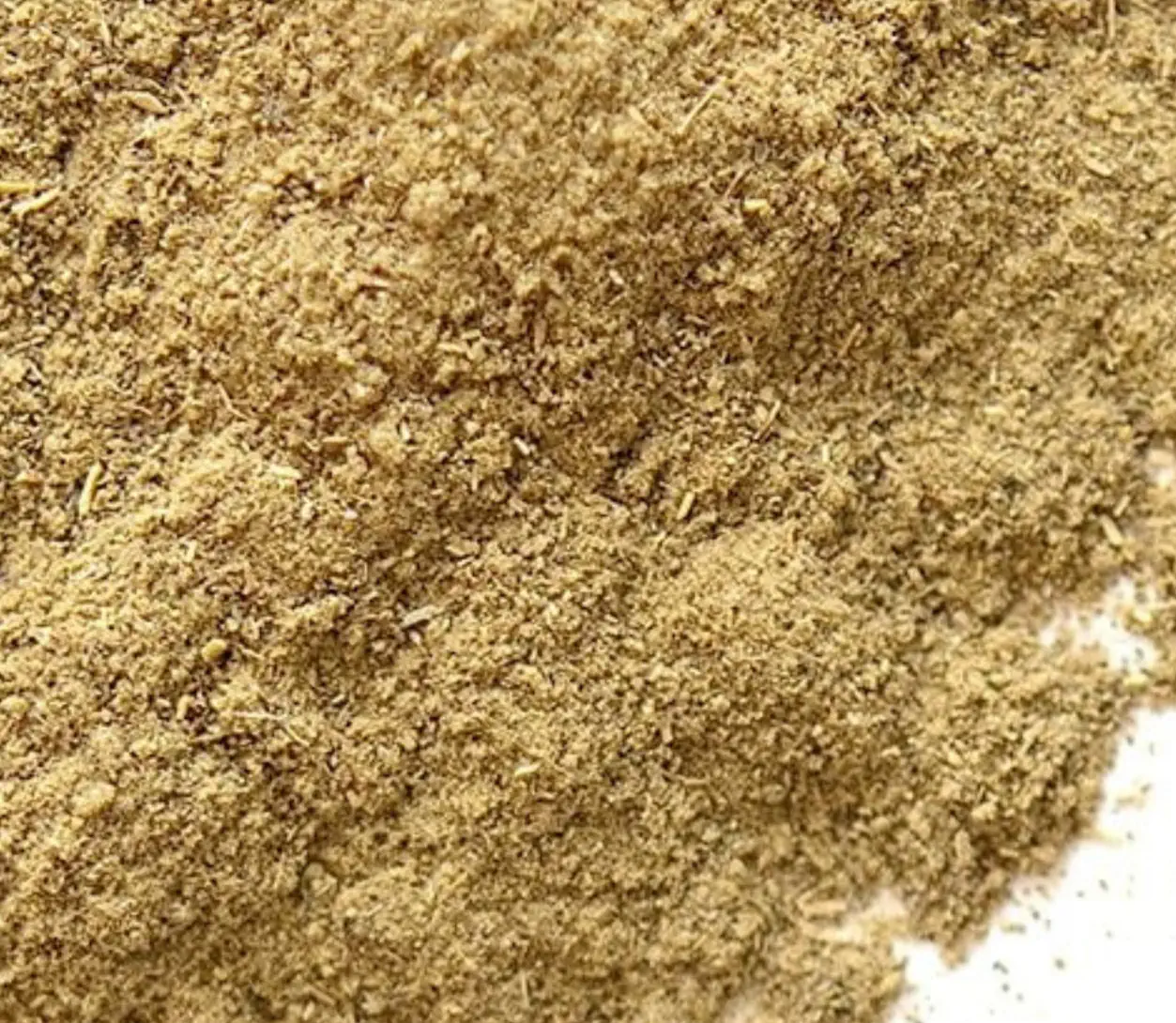
  2. Grinding the matrix is very important because it increases the exchange surface and facilitates extraction. However, we must not exaggerate. Grain size values greater than 2 mm or less than 0.5 mm do not very often give satisfactory results. When the particle size of the matrix is too large, the difficulty coefficient of the extraction may be too large and the process efficiency too low. When the grain size of the matrix is too small we are dealing with dust. Powders easily suffer from the channeling effect. Wormholes form in the matrix and most of the CO2 will pass into these channels without extracting anything. Furthermore, dust tends to clog the filters, which will require frequent cleaning. Dusts < 0.4 mm must be absolutely avoided as they can pass through the filters and clog the high pressure circuit, block the valves, break the basket filters. Typically, the milled matrix should contain less than 10% particle sizes smaller than 0.4 mm.

The key to obtaining excellent supercritical CO2 extraction

The raw material from which the substance of interest is extracted decisively influences the extraction and the result of the extraction. In fact, the extractable elements can be positioned on the surface of the solid material or positioned inside the structure of the material itself. Depending on the interactions between the substances and the solid structure, different effects are visible. In fact, if the compound of interest does not interact with the structure of the matrix, only the solubility by diffusion will be taken into consideration, the simplest extraction action.

Part of the compounds to be extracted may be located close to the surface of the structure, due to cellular disintegration during grinding. This can be the case with waxes. For this reason too, it is better not to overdo the grinding. It is also important not to underestimate the effects of drying, which can cause the formation of fractures in the cell membranes, releasing part of the soluble material.

The particles can be spherical in shape, in pieces, etc… due to the original shape of the material (e.g. leaves) and the grinding process. Their shape can influence the diffusion of the supercritical solvent. It is better to avoid extraction of coarsely chopped matrices – they behave unpredictably, since only the crushed edges of the matrices will have a low extraction difficulty coefficient. The central part of the fragment may have a high extraction difficulty coefficient and therefore compromise the extraction efficiency.

Supercritical CO2 extraction is considered a green alternative to other conventional extraction methods which usually involve large amounts of solvents and produce large volumes of wastes. Moreover, through supercritical CO2 extraction, it is possible to conduct a selective extraction by accurately tuning pressure and temperature and preserving the volatiles of the extract and all the thermolabile molecules which can be damaged during conventional extraction processes.

As you can see, the supercritical CO2 extraction process is an interesting choice in various sectors, as it not only provides safety and environmental sustainability but also delivers high-quality products. If you are a business owner looking to harness the full potential of the supercritical CO2 extraction process, contact us for consultation. Fill out the form below, and we will be happy to assist you in implementing the supercritical CO2 extraction process in your business sector.
How to extract natural products from plants with the supercritical CO2 extraction method

How to extract natural products from plants with the supercritical CO2 extraction method

The process of supercritical CO2 extraction in the field of botany fascinates you and you would like to know what are the fundamental principles of this type of extraction? Have you read that the machine that extracts using the characteristics of supercritical CO2 must be equipped with software that needs to know some fundamental parameters and are curious to find out what they are? Or are you interested in delving into the topic of supercritical CO2 extraction technique?

Don’t worry!

Here’s an article that will explain everything about the extraction of natural products from plants using supercritical CO2.

Take a few minutes to read this article that we at Separeco, an Italian company based in Turin, a leader in the production of supercritical CO2 extraction machines, have prepared to explain how the extraction process works and what parameters to consider before starting the extraction process. We will see together how pressure and temperature parameters must be optimal and how important preliminary tests conducted by the operator are.

If you are interested in discovering how the extraction phase occurs, keep reading.

Happy reading!

All the principles of supercritical CO2 extraction

Supercritical fluid extraction applies to solid matrices, the acronym of which is SFE (Supercritical Fluid Extraction). In the case of liquid matrices, we are not talking about extraction but about fractionation, the acronym of which is SFF (Supercritical Fluid Fractionation), but we will deal with this methodology in another article.

First, let’s analyze the general aspects that describe the extraction principles. Extraction from solid matrices with liquid/supercritical solvents, called solid-liquid extraction, allows the desired compounds to be separated from the solid raw material, generally of botanical origin.

Generally, it is necessary to identify the most suitable solvent for the target compounds of the extraction. In our case it will be supercritical CO2. The solvent will occupy all possible spaces and then spread throughout the matrix. The extraction process then begins, generally by diffusion, in which the desired elements pass into the solvent, becoming concentrated.

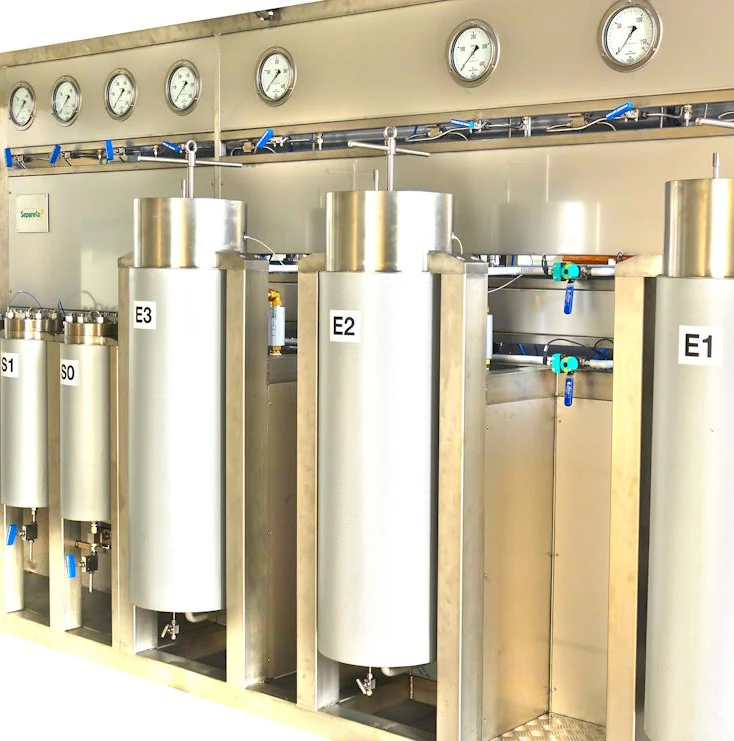
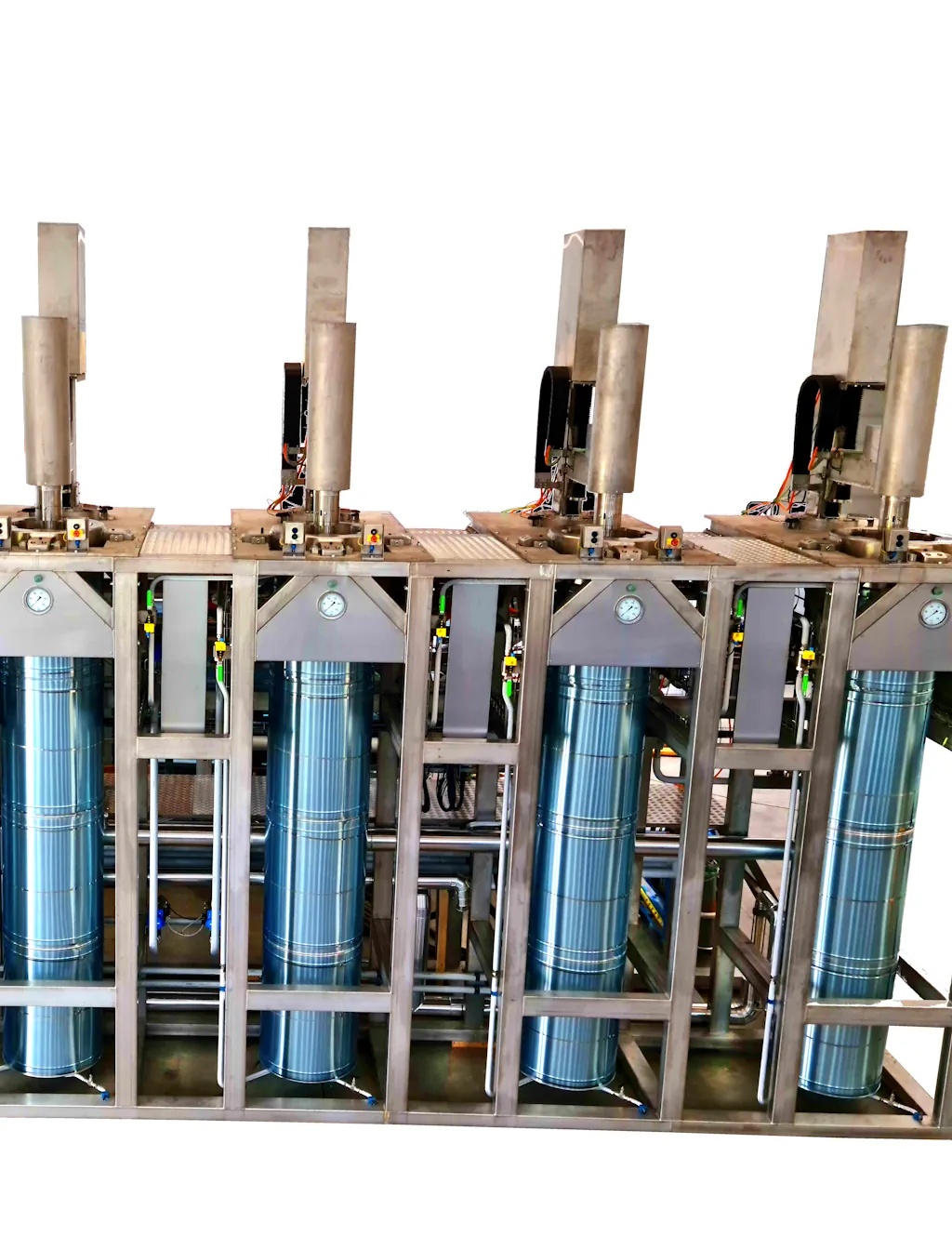
The conditions or parameters of the process depend on the compounds of interest that are intended to be extracted from the chosen matrix. The supercritical CO2 extraction machine must be equipped with automation software that allows you to enter all these process parameters. A good machine must be able to load these parameters into the process recipes. Each matrix will have one or more process recipes based on the compounds that need to be extracted.

To make a good extraction you need to know:

1) The optimal pair of pressure/temperature to solubilize the target compound.

2) The flow rate of the CO2 pump and, if requested, the flow rate of the cosolvent pump.

3) The characteristics of the raw material

Before starting the extraction of any raw material, it is necessary to know its degree of humidity and grain size. It is necessary to reduce the amount of water contained in the raw material as much as possible, since water slows down extraction. A water content close to 7% is considered optimal. The size of the grind is also very important. A fine grain size of the ground material increases the exchange surface and consequently facilitates extraction. A good value is between 0.6 and 0.9 mm. A size of the ground material that is too small, less than 0.4 mm, can trigger the channeling effect (a channel that forms in the matrix where the supercritical CO2 passes thorough), compromising extraction.

Choosing the right pressure/temperature pair is the first step. Usually the operator refers to scientific publications that will help get closer to the correct values. However, some tests with values close to those published will be necessary to verify the solubility of your own raw material. When possible, low pressures and temperatures will be chosen, which increase the selectivity of the supercritical CO2, avoiding dragging unwanted compounds into the extract. Low temperatures ensure higher densities and so higher solubility power.

Subsequently the operator will have to choose the right flow rate of the CO2 pump. Unfortunately, this value cannot be found in publications. Due to the tiny size of the lab scale apparatus used for testing, volumes of just a few milliliters, this value, once published, is very often too large and therefore unusable in a production machine. This value will have to be found by the operator. It is advisable not to overdo the flow rate. Lower flow rates give better yields as the residence time of the solvent increases. A normal extraction kinetic has a value of 20 or 30 kg of supercritical CO2 per kg of matrix. In rare cases much higher values are justified.

The supercritical CO2 extraction process is a sustainable choice that protects both human health and the environment. Furthermore, it provides high-quality products and ensures significant applications in any sector due to its versatility.

If you are ready to consider the possibility of introducing a supercritical CO2 extraction process, do not hesitate to contact us. We will be happy to explain all the features of our machinery and support you in identifying the equipment that best suits your needs

Using supercritical CO2 for solvent removal. A sustainable choice

Using supercritical CO2 for solvent removal: a sustainable choice

Have you heard about supercritical CO2 as a sustainable process and would like more information about its most important applications but don’t know who to turn to? Have you read that with the supercritical CO2 process you can harness all the advantages of CO2 as both a gas and a liquid for solvent removal and want to understand its mechanism? Or are you simply curious to learn about recovering and recycling supercritical CO2?

Don’t worry!

Take a few minutes to read this article that we at Separeco, a company in Turin specialized in manufacturing machines and systems for extracting compounds and natural materials through the supercritical CO2 extraction process, have written to explain all the applications of supercritical CO2, an ecological and sustainable solvent. We will see how supercritical CO2 is a safe choice for humans and the environment and, thanks to its qualities, can be used in various sectors such as pharmaceuticals, plastics, and chemicals.

Happy reading!

Supercritical CO2: all the benefits of a process for the protection of humans and the environment

Supercritical CO2, which is a solvent that is both environmentally friendly and versatile, finds application in a multitude of areas, including the extraction of solvents from polymer and inorganic matrices. The process capitalizes on the unique properties of CO2 above its critical temperature and critical pressure, allowing it to function as a gas and a liquid simultaneously. This characteristic makes supercritical CO2 an attractive option for the removal of apolar or medium-polar and even some polar solvents from various plastic, vegetable, or mineral matrices.

There are several advantages associated with the use of supercritical CO2. Firstly, it is a safe option, ensuring minimal risk to individuals and the environment. Furthermore, it possesses low toxicity, making it a desirable choice. Additionally, supercritical CO2 can be recovered and recycled, thereby reducing its environmental impact. This feature adds to its appeal as a solvent. Moreover, it can be utilized for the extraction of specific compounds or solvents that require explosion control (Atex-Ex). It is worth noting that CO2 is inert and non-flammable, creating an ideal environment that prevents the ignition of vapours or liquids during the extraction process. During the extraction the absence of oxygen pull the UEL and LEL down to significance. And moreover, for many use the applied temperatures are very low in comparison to traditional solvent recovery technologies.

The supercritical CO2 extraction process involves the careful regulation of pressure and temperature to attain the desired supercritical conditions. Subsequently, the supercritical CO2 is directed to flow through the material that requires the removal of spent solvents or reagents resulting from chemical reactions. In this process, supercritical CO2 acts as a solvent, effectively extracting unwanted solvents from the matrix. Following this, it is separated from the extracted solvents to facilitate recovery and recycling. Due to its effectiveness and efficiency, this method is extensively employed in industries such as plastics, pharmaceuticals, and chemicals.

It is indeed possible to implement this particular methodology in numerous application fields:

  • In the context of chemical synthesis, this methodology can be employed to effectively eliminate solvents or extraction reagents, thereby enabling the seamless continuation of the synthetic route.
  • Moreover, this methodology finds great utility in the production of films or fabrics that are derived from baths. In such cases, it becomes imperative to thoroughly dry the fabric before subjecting it to any subsequent treatments.
  • This approach can also be employed in the extraction of aromas after their extraction through distillation or other analogous techniques.
  • The pigment industry can greatly benefit from the implementation of this methodology, particularly in terms of reducing the quantity of diluents that are present in the colouring solution.
  • Lastly, the explosives industry can also leverage this methodology to ensure a safe and controlled working environment. Specifically, by adopting this methodology, it becomes possible to work in an anoxic and less reactive environment, thus mitigating potential risks.

Supercritical CO2 presents itself as an environmentally friendly and safe alternative to conventional solvents, such as ethanol or chloroform, which can pose risks to human health and the environment. It should be noted, however, that the successful implementation of this process requires specialized equipment and technical expertise.

As you can see, there are numerous uses and applications of supercritical CO2. If you’re ready to implement supercritical CO2 in your company for solvent extraction from polymers or other materials, don’t hesitate to contact us. We will provide you with all the information and our specialized assistance to identify the machinery that best suits your needs.


All the advantages of supercritical CO2 as a solvent according to experts.

All the advantages of supercritical CO2 as a solvent according to experts

Would you like to discover the advantages of supercritical CO2 but want to understand first what a supercritical fluid is? Have you read that the most common supercritical fluids are carbon dioxide and water and want to know about the technique of supercritical fluid extraction and its key advantages? Or are you simply curious to learn about SFE (supercritical CO2 extraction) and the economic, technical, and political reasons that make this technology the most effective and efficient?

Here’s an article that will explain in detail all the advantages of supercritical CO2.

Take a few minutes to read this article from Separeco, an Italian company specialized in manufacturing machines and systems for extracting compounds and natural materials using supercritical CO2 technology. Together, we’ll first explore what a supercritical fluid is and why supercritical fluid extraction is the best available technique today as it ensures contamination-free extracts. Additionally, we’ll see how this technology is the most versatile and eco-friendly.

If you’re interested in discovering the potential of this technology and its implications for the future, we suggest you keep reading

advantages of supercritical CO2

Supercritical Fluid Technology: An Innovative, Versatile, and Eco-friendly Technology

The first question that must be answered is: what is a supercritical fluid. A supercritical fluid is any substance at a temperature and pressure above its critical point. CO2 is the most used fluid. It can diffuse through solids like a gas, and dissolve materials like a liquid. In addition, close to the critical point, small changes in pressure or temperature result in large changes in density, allowing many properties of a supercritical fluid to be “fine-tuned”. Supercritical fluids are suitable as a substitute for organic solvents in a range of industrial and laboratory processes. Carbon dioxide and water are the most commonly used supercritical fluids, being used for decaffeination and power generation, respectively.

The supercritical fluid technology is the best extraction technique available today. It is the best not only for the quality of its extracts, but also for the absence of contamination. For this reason, the exhausted matrix (flour, etc. ..) can be used without any fear, which is impossible for solvent extraction. It is the best for its rapid process (hours instead of days) and the presence of a reducing environment in which the oxidation can not occur. Is the best because it is the only true green technology: it does not pollute, there are no solvents or even exhausted to dispose of. It is the best because it is the only one that can transform waste products (which represent only a cost) in high value-added active ingredients that would otherwise be acquired by large pharmaceutical companies at a high price.

For a long time, the poorest technologies (processes with chemical solvents) were more spread. But today we all realize the damage caused by chemical solvents to human health and very soon (in Europe since 2012) they will be banned worldwide. It is clear that today, from an economic standpoint, investment in traditional technologies that use chemical solvents has no future.

The economic, technical and political reasons underlying the choice of the technological proposal are the following:

1) The characteristics of SFE technology are versatility combined with eco-sustainability, acting in the transformation processes on two different levels:

a) in the initial processing phase of vegetable raw materials and in the entire food supply chain. Supercritical CO2 extraction (SFE) works directly on raw materials. Furthermore, waste materials are used as primary products (those parts that are currently disposed of) because with this technology they can be reused as a source of antioxidants.

b) only in final processes for specialized applications (e.g. pesticide: pyrethrum and neem). This is the case of powder coating of the drug, oil and liquids fractionation, concentration of active ingredients or the recovery of waste materials from previous processes.

2) Flexibility offered by SFE technology which can act on a wide range of process conditions and perform different processing phases (even in multi step extraction). This quality can be used both in the extraction and fractionation process, obtaining new productions and products. Examples are: de-oiled flour, numerous extracts in co-extraction, extractions carried out in multiple steps, where extraction conditions are different for each step.

The technical factors that determine the advantages of the SCF system are:

  1. full use of raw materials because supercritical systems produce multiple products at the same time
  2. reduced process times and high productivity and quality achieved in extraction
  3. low cost of CO2
  4. savings in disposal costs necessary with traditional technologies
  5. low numbers of workers

3) High production quality recognized by the whole market.

Characteristics of SFE technology and its position on the market:

  1. it is recognized by the market as a high quality production technology and in some cases without competition (e.g. decaffeination of coffee, lycopene, olive oil with a high content of polyphenols, extracted pesticides)
  2. inclusion in food platforms and higher-end market, conditioning entire supply chains and in processes to reach niche or unique products available only thanks to this technology (e.g. extraction of antibacterials for the proven high efficiency, removal of pesticides, extraction of compounds particularly active in anti-tumor therapies such as lycopene and CBD)

As you can see, supercritical CO2 extraction technology offers significant advantages in the industry and will surely be one of the technologies to focus on for the future, as it provides many benefits that old traditional technologies are no longer able to offer. Product quality, process safety, and sustainability are probably the most important advantages, but they are not the only ones.

If you are a business owner and wish to harness all the potential of CO2 extraction technology, for example, in the cosmetics or pharmaceutical industry, feel free to contact us for consultation. Fill out the form below, and we will be happy to assist you in your process of upgrading extraction processes

All the Advantages of Supercritical CO2 Extraction: the New Method that Combines Quality and Safety

Supercritical CO2 Extraction Process: What are the Latest Innovations in Techniques

Are you trying to understand the advantages of supercritical CO2 extraction and would like more information? Have you read that supercritical CO2 extraction offers many more benefits compared to traditional extraction techniques with organic solvents and want to know more? Or are you simply curious to discover the problems that CO2 extraction solves?

Here’s an article that will explain everything! Take a few minutes to read this article that we at Separeco, an Italian company that produces machines and systems for extracting compounds and natural materials through supercritical CO2 technology, have prepared to explain all the advantages for your industry of introducing this particular extraction technique.

In this article, we will see how supercritical CO2 extraction presents itself as a flexible process capable of completely replacing polluting organic solvents and obtaining purer extracts.

Happy reading!

How Supercritical CO2 Extraction Ensures Pure and Safe Extracts

The extraction of compounds from natural matrices is the most studied application of supercritical CO2, with several hundred scientific papers published. In fact, supercritical CO2 extraction (SFE) has many advantages over traditional extraction techniques with organic solvents:

  • É um sistema flexible process that allows continuous modulation of the solvent power and therefore the selectivity of the supercritical fluid.
  • It allows the complete replacement of polluting organic solvents, which are complex to manage.
  • It allows the simplification of the expensive secondary phase, both in terms of time and cost, necessary to purify extracts from unwanted substances like vegetable waxes.

Process engineers know that there are two of the most complex (and expensive) problems they face every day:

  • The elimination of the solvent used for extraction.
  • The elimination of unwanted substances.

In the first case, the elimination of the solvent occurs (almost like magic) simply by decreasing the pressure to bring the solvent from the supercritical state to the gaseous state, avoiding the huge gasification costs necessary in thermal processes when liquid solvents are used. In the second case, the great selectivity of the supercritical process and the presence of separators for the extract from the solvent (returned to the gaseous state) allow for very pure extracts, in some cases immediately marketable.

 The advantages of supercritical CO2 compared to a liquid solvent can be summarized as follows:

  • Greater transport speed of extracts in plant extraction processes, close to that of gases.
  • Viscosity many orders of magnitude lower than liquid solvents.
  • Diffusion coefficient in the material to be processed is many orders of magnitude greater than that of liquid solvents.
  • Very fast permeability of the solvent (CO2 in the supercritical state) in the matrix with a drastic reduction of the process time.
  • Low solvent costs: CO2 in this case is recycled by suppliers by “capturing” it in transformation processes, such as the production of fertilizers and manures, or is recycled by capturing it in wells where it is of geothermal origin.
  • CO2 is non-toxic, non-flammable.
  • Extraction and separation of compounds in a single process with a reduction of costs and times of both the main process (extraction of compounds) and the secondary process (solvent recovery and continuous reuse and in the same process of CO2 “cleaned” from the extracts).

Selectivity in the extraction of compounds through the modulation and modification of the solvent power by varying the operating conditions of pressure, temperature, and flow rate.

The absence of organic solvents used in the extraction guarantees the safety of the extracts, making them available in their pure state and in concentrated form. For this reason, the FDA has awarded the supercritical CO2 extraction process the GRAS attribute (Generally Recognized As Safe). Unfortunately, in the all-too-recent past, the presence of organic solvent residues in extracts has caused significant health problems for consumers. Fortunately, current legislation prohibits the use of organic solvents, such as hexane, which have carcinogenic and mutagenic characteristics.

The absence of residues in the extract and the purity of the extract makes supercritical CO2 the best choice for producing high-quality and safe extracts for the consumer.

In this article, we have seen, therefore, that the supercritical CO2 extraction process offers many advantages in terms of product quality and safety.

If you are in the leadership of a cosmetic or nutraceutical industry, or if your organization is in the food sector and you want purer and higher-quality extracts, contact us for a consultation by filling out the form below. We will be happy to help you identify and implement the right machinery for supercritical CO2 extraction.